
Five Years Until 2030: How Elucid Is Contributing to the Sustainable Development Goals

There are only five years left until 2030 – the deadline for achieving the United Nations Sustainable Development Goals (SDGs). Yet progress remains far behind expectations: a recent article by the World Economic Forum shows that fewer than one in five SDGs (18%) are currently on track. This number should not paralyze us: it should motivate us.
This gap underscored the need for clear priorities. At Elucid, we’re committed to translating this urgency into impact, and we believe that healthcare is the starting point.
SDG 3 – Health as the Foundation
Health is the groundwork upon which resilient communities and sustainable economies are built. That’s why SDG 3 (Good Health and Well-being) is at the core of our work. By improving access to essential and emergency healthcare in rural farming regions, we reduce preventable diseases, maternal and child mortality, and chronic illness – all of which undermine productivity and economic stability.
Addressing health as a root cause also enables progress across several other SDGs.
SDG 1 – Reducing Poverty Linked to Illness
Medical expenses are a significant driver of poverty in rural communities. High out-of-pocket (OOP) healthcare costs often push households into financial stress and discourage people from seeking care when they need it. This creates a clear pattern: untreated illness leads to more sick days, disruptions in farm work, and ultimately lower earnings for farming families.
By making essential and emergency healthcare more affordable, Elucid reduces these financial pressures and helps address one of the underlying factors that keeps households in a cycle of economic vulnerability. In doing so, we directly support progress toward SDG 1 (No Poverty).

SDG 2 – Supporting Food Security
Healthy and financially secure farming households can plan, plant, and harvest more effectively. Reducing the financial shock of illness allows farmers to adopt improved practices, increase yields, and contribute to stronger local food system – supporting SDG 2 (Zero Hunger).
SDG 4 – Strengthening Education Outcomes
Illness and unexpected medical costs affect children’s schooling. When adults are unable to work, children are often required to step in, leading to higher school dropout rates.
By reducing the financial and health-related disruptions that affect families, Elucid helps protect educational continuity and help families prioritize education, supporting the next generations of farming communities – supporting SDG 4 (Quality Education).
SDG 5 & SDG 10 – Advancing Equality
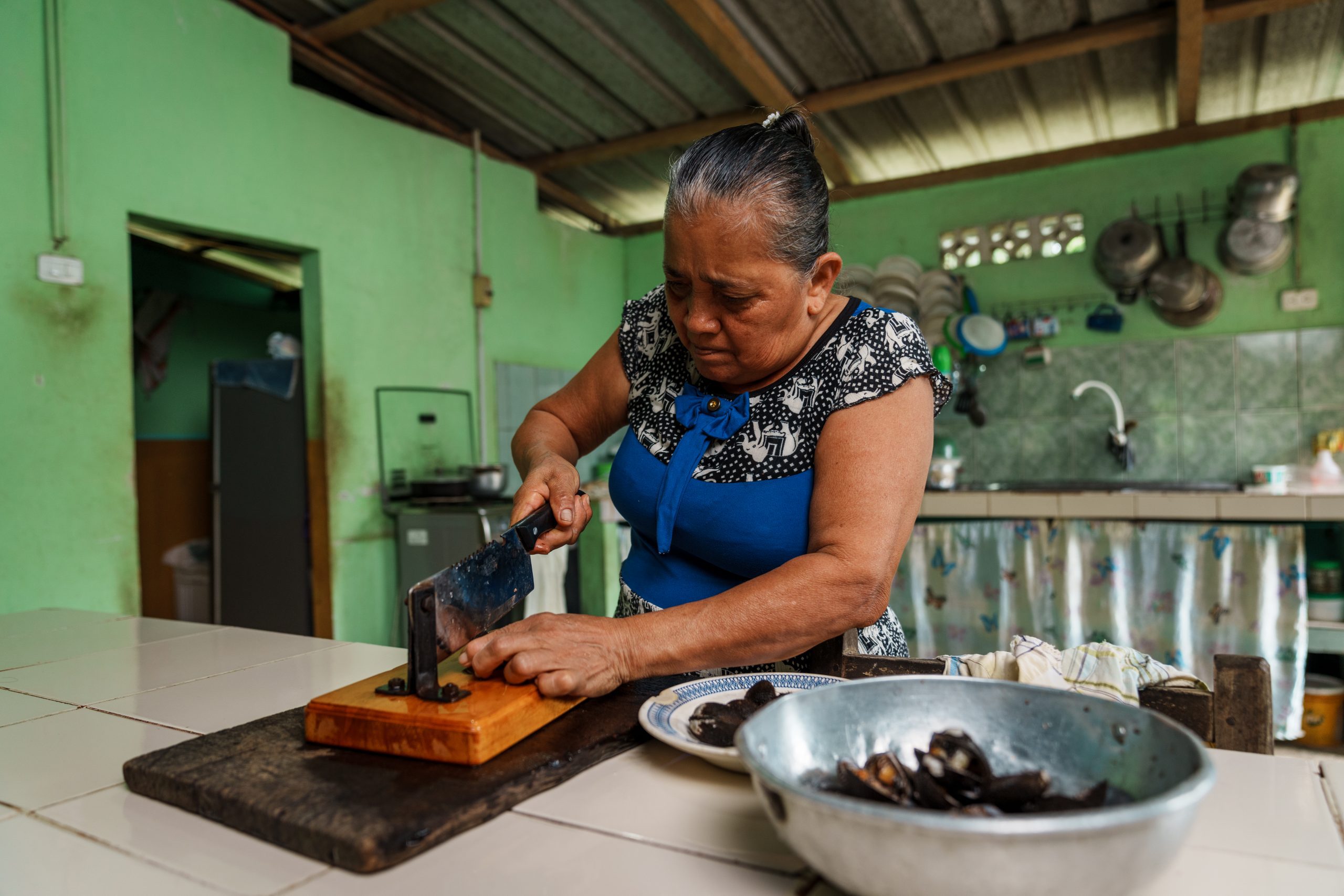
Women in rural regions often face barriers to accessing maternal and reproductive healthcare. Elucid works to close this gap by ensuring women are covered and connected to the services they need. Improved health access also enables women greater participation in agricultural work, cooperatives, and community leadership roles.
This supports both SDG 5 (Gender Equality) and SDG 10 (Reduced Inequalities), as we focus on historically underserved groups: rural, low-income farming families with little to no access to formal health services. By bringing affordable healthcare into these marginalized communities, Elucid is addressing deeply rooted inequalities and creating more inclusive economic systems.
SDG 8 – Supporting Decent Work and Economic Growth
Health directly affects productivity across agricultural supply chains. Elucid’s work also supports SDG 8 (Decent Work and Economic Growth) by improving workforce health and productivity. Farmers who receive timely care are less likely to miss critical moments in the agricultural cycle, leading to stronger yields and more resilient supply chains. Healthier working populations also reduce farmer turnover and labor shortages.

SDG 12 – Strengthening Responsible Production
Our programs also address SDG 12 (Responsible Consumption and Production). Sustainable and ethical production begins with healthy producers. By reducing the financial pressures that can lead to harmful labor practices (such as child labor or forced overwork), Elucid helps reinforce responsible production at the source and reduce human rights risks that can ripple through global value chains. Our work also increases awareness of the role of health in sustainability on the consumer side, motivating them to critically evaluate how ‘healthy’ the products they buy truly are.
SDG 17 – Building Effective Partnerships
Finally, none of this would be possible without our commitment to SDG 17 (Partnerships for the Goals). Progress toward the SDGs requires collaboration. Elucid brings together public and private partners, local cooperatives, health authorities, corporate stakeholders, and philanthropic funders to co-finance and scale solutions. These collaborations enable long-term sustainability while reducing dependence on limited donor funding. Since our launch, we’ve expanded to six countries and integrated healthcare access directly into the sustainability strategies of major supply chains.

Looking Ahead
We’re proud of the recognition our model has earned in our work towards the SDGs, having been named a finalist in the 2024 SDG Innovation Awards, and having won the 2025 SSI Award in Ghana for being the Best Company in Promoting Good Health & Wellbeing (SDG3) but we’re even more driven by what lies ahead.
We’re seeing a notable shift as our work raises awareness not only within communities, but also among global companies. Partners who may have previously overlooked the role of health in sustainability and supply-chain resilience are now integrating healthcare access into their strategic priorities.
With five years left until 2030, Elucid is strengthening its commitment to making healthcare a practical, scalable part of sustainable supply chains. Our experience shows that when health is built into daily operations, it supports more stable farming communities and contributes to stronger long-term performance for companies.
Improving healthcare access is not only a social priority – it is a strategic one. When health is placed at the center, communities are more resilient and supply chains become stronger. This principle will continue to guide our work as we move toward 2030.
Related content
-
 For the past three years, Elucid and Max Felchlin AG have worked together to improve the lives of cocoa farmers and their families. Our partnership has focused on delivering better healthcare access and community support in
-
 Looking for a non-fiction read this summer? Interested in sustainable agriculture, supply chains, or global health? Over here at Elucid, we spent the week asking our team members and topic leads which books they
-
 Pesticides often carry a negative reputation due to concerns about their harmful chemicals and potential risks to human health. However, the broader consequences of pesticide use are seldom explored in depth. We run several