
What Health Disruptions Do to Supply Chains – and Why Addressing Them Builds Resilience
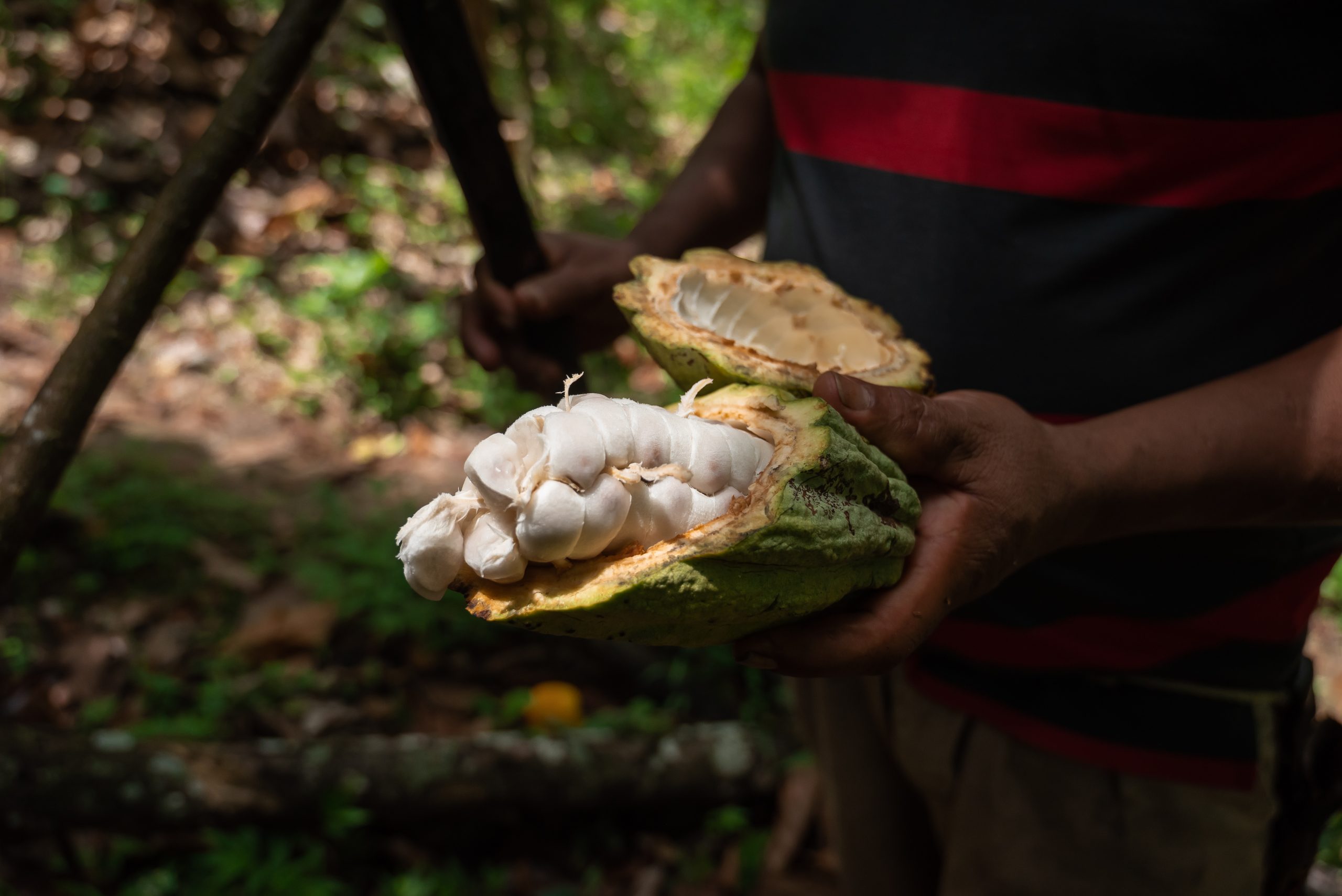
We often speak about resilient, strong supply chains at Elucid: specifically, how improving access to healthcare in smallholder farming communities contributes to that resilience. But what does that actually mean in practice? How do health disruptions affect supply chains, and why should industry actors consider health a core investment rather than a peripheral concern?
Over time, we have gathered research and field insights into these questions through our evidence base and decided to summarize some of the most important aspects in this article: what health disruptions do to supply chains and how addressing them can strengthen long-term resilience.
What Health Disruptions Do to Supply Chains
1. Lost Productivity
Health disruptions such as illness, injury, and medical emergencies, directly affect labour availability and productivity. When workers or household members fall ill, productive days are lost, often during critical agricultural periods such as planting or harvest. The result is delayed operations, reduced output, and lower income.
In agriculture-focused economies, these effects are measurable. Studies from Ghana and Côte d’Ivoire show a direct drop in farm labour use and crop output following health shocks. For example, even a 1% increase in days of household illness is associated with a 3% decrease in labour used for land preparation and a 2% drop in harvested crop value. In Côte d’Ivoire, medical emergencies among cocoa farmers are linked to a 3.9% reduction in cultivation, contributing to an estimated $853 million decline in cocoa exports and a $125 million drop in government tax revenue,
What appears to be an individual health event becomes a systemic supply chain disruption. Farmers lose income, national productivity declines, and supply reliability weakens.
2. Harmful Coping Strategies
When health emergencies occur without financial protection, families must absorb the shock themselves. Rising medical expenses combined with reduced earning capacity often force households into difficult trade-offs.
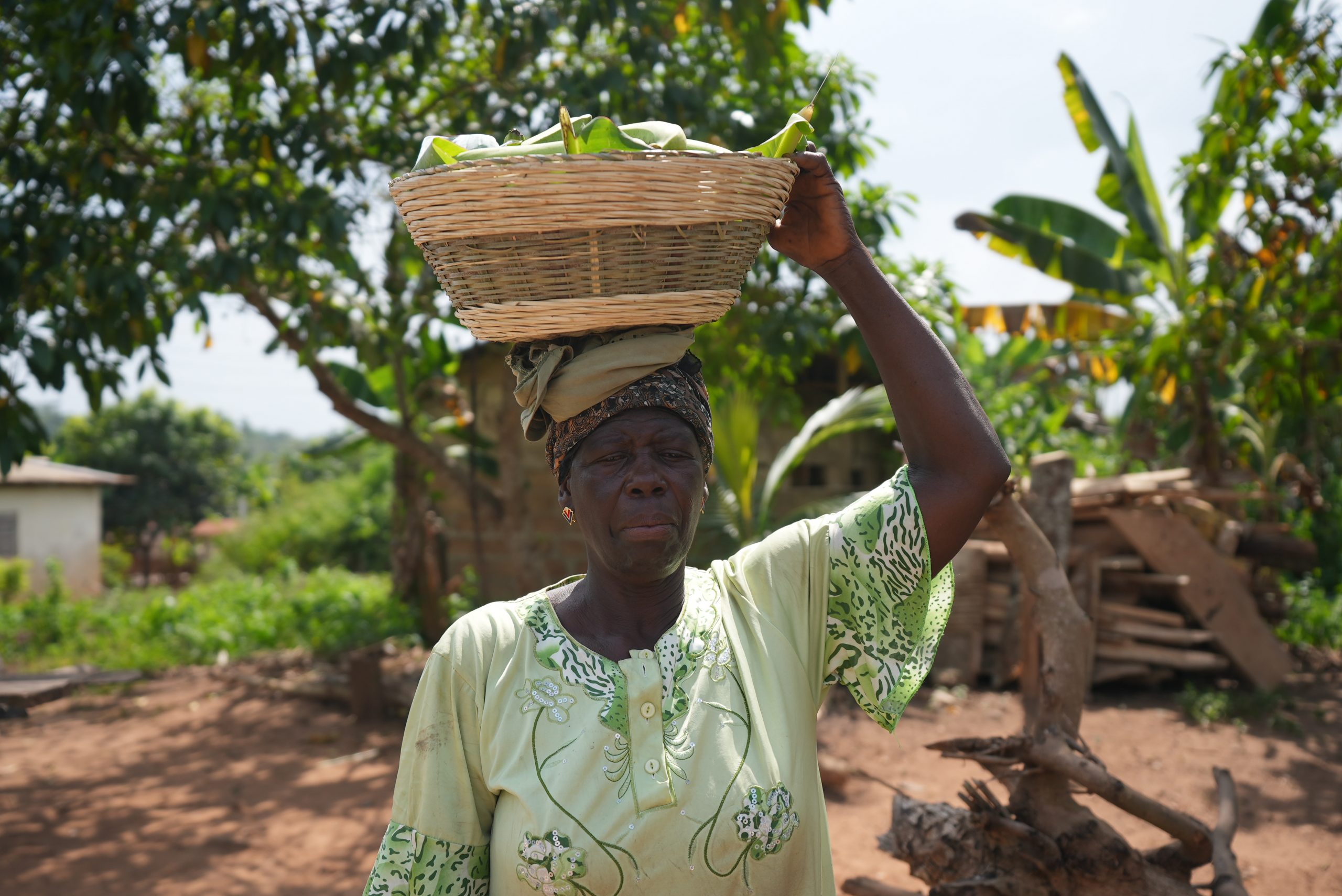
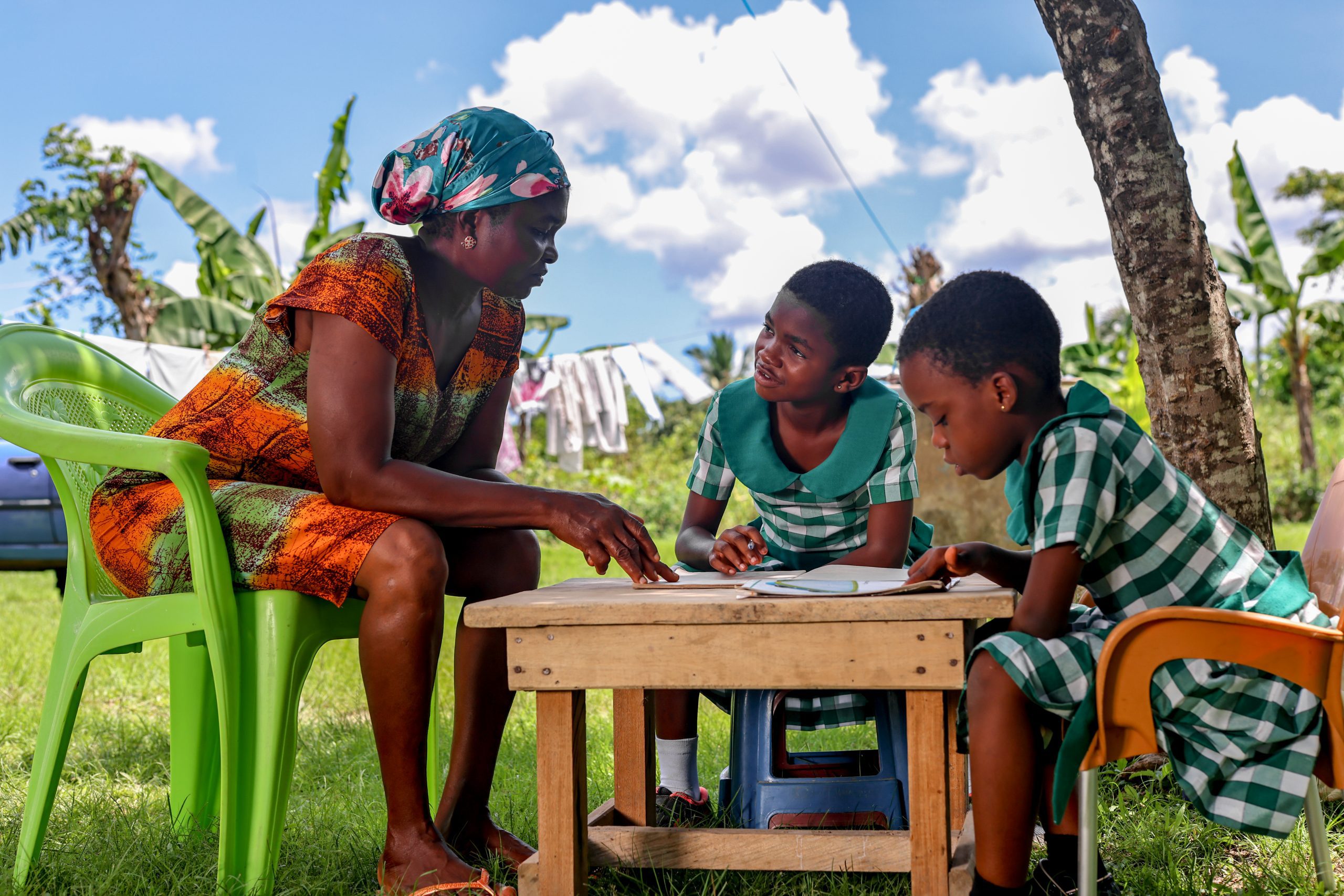
Families may take high-interest loans, sell productive assets, or withdraw children from school to supplement income. In Madagascar’s vanilla sector, for example, where health shocks often coincide with peak harvest periods, approximately 30% of the workforce consists of children. When adult family members fall ill, children are frequently pulled from school to work on the farm or earn income elsewhere. This interrupts education and reinforces cycles of poverty and child labour.
Without protection against catastrophic health expenditures, farming families may resort to short-term survival strategies with long-term effects (including unsustainable farming practices that contribute to deforestation) in order to cover immediate medical expenses.
Limited data on these dynamics further complicates efforts by businesses to address social vulnerabilities within supply chains. In sectors such as cocoa, health-related disruptions can quietly jeopardize entire production systems, while remaining difficult to quantify or track.
3. Poverty and Financial Fragility
Health-related costs are a major driver of poverty, creating a vicious cycle where illness reduces income, and the financial strain of medical care pushes families deeper into hardship.
Out-of-pocket (OOP) healthcare expenditures can be catastrophic for smallholder farmers in agricultural supply chains, forcing families to take on debt, sell assets, or divert spending from essentials like food and education. For example, in Madagascar’s cocoa sector, more than 75% of cocoa-growing households report difficulty paying for healthcare, and over half are pushed further into poverty each year due to medical costs. In Uganda’s coffee sector, the lack of a functioning national health insurance system leaves much of the population uninsured, with OOP expenses accounting for roughly one-third of healthcare spending.
In contexts where families already earn below $2.15 per day, medical emergencies can lead to debt, asset sales, and reduced ability to invest in future production cycles. Illness not only affects immediate income but can also weaken households’ capacity to recover and plan ahead.
So, How Does Addressing Health Disruptions Support Resilience?
From Lost Productivity to Increased Investment
One thing is certain: Health shocks reduce productivity but the reverse also holds: when farmers have access to healthcare and financial protection, productivity and investment can increase.
A good example can be found in Ghana, where smallholder farmers enrolled in the National Health Insurance Scheme (NHIS) reported a 40% increase in agricultural land-related investments. With reduced out-of-pocket healthcare costs, households redirected saved income into purchasing inputs and hiring labour, increasing output and strengthening their economic position.
Health insurance does not only protect against risk; it can also free up resources, support longer-term planning, and enable households to invest in more sustainable farming practices. By strengthening healthcare access, especially in rural farming communities, we shift the equation from lost days and diminished yields to stronger livelihoods and more resilient supply chains.
From Harmful Coping to More Sustainable Outcomes
When families are protected from the financial shock of illness, reliance on harmful coping strategies can decline.
Evidence from Ghana shows that the introduction of the NHIS led to an 8.8% reduction in child labour among high-sickness households and increased school attendance time by one hour. When medical costs are less burdensome, children are more likely to remain in school, and households can allocate resources differently.
The benefits extend beyond individual households into the environment as well: in Borneo, a healthcare access intervention that provided clinic discounts (offsetting healthcare costs were often financed through illegal logging) resulted in a 70% reduction in deforestation, saving an estimated 27.4 square kilometres of forest.
These findings reaveal that health interventions can influence social and environmental outcomes beyond health alone: they empower families to make decisions that protect their children, their livelihoods, and their environment.
From Poverty to Greater Financial Protection
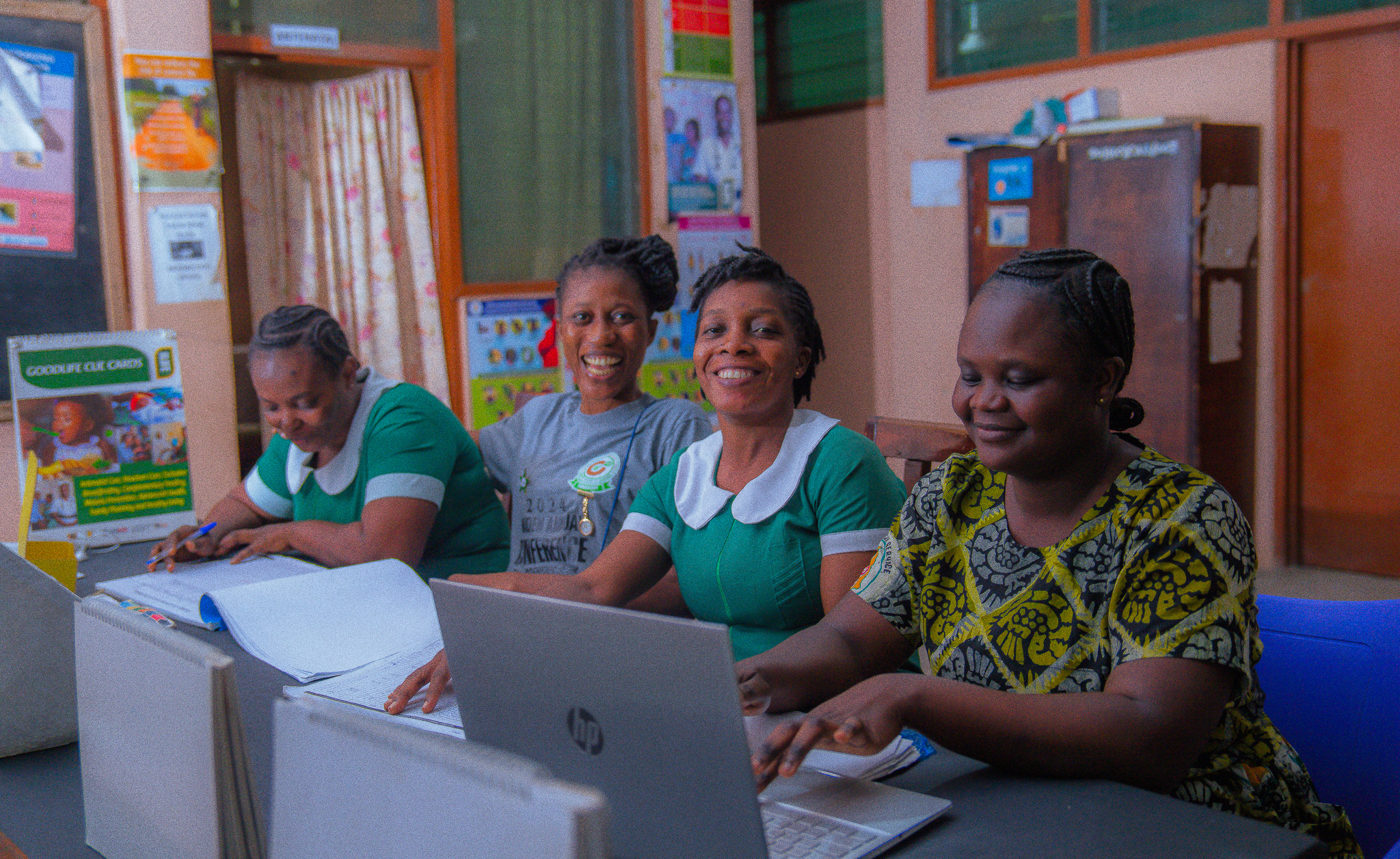
Access to affordable healthcare improves health outcomes and can reduce poverty. When households are enrolled in health insurance, they gain financial stability in addition to medical coverage. A longitudinal study of 3,300 households in Ghana found that enrollment in the NHIS reduced out-of-pocket healthcare expenditures by an impressive 86%, protected households from catastrophic health spending by 3%, and contributed to a 7.5% reduction in poverty.
With fewer financial shocks caused by medical bills, families are better able to spend on food, education, and productive investments. Financial protection can therefore play a role in strengthening economic stability over time.
Conclusion
Health disruptions affect more than individual households. They reduce productivity, influence coping strategies, and increase financial strain within smallholder farming communities. In agricultural supply chains, these dynamics can affect production levels, labour decisions, and long-term stability.
The evidence summarized here suggests that improving access to healthcare and financial protection can help mitigate these risks. By reducing the economic impact of illness, health interventions can support more stable livelihoods and contribute to greater resilience within supply chains.
Related content
-
 We spoke with Jan Lühmann, a coffee consultant and our Topic Lead for Coffee. With decades of experience in the green coffee industry and sourcing regions around the world, Jan brings a practical perspective
-
 From the 1970s onwards, Ghana implemented several health reforms in order to make healthcare more accessible, affordable, and high quality for its
-
 Pesticides often carry a negative reputation due to concerns about their harmful chemicals and potential risks to human health. However, the broader consequences of pesticide use are seldom explored in depth. We run several