
Unlocking Impact: How We Turn Complex Claims Data into Clear Sustainability Evidence

At Elucid, our ability to improve health access across supply chains depends on one thing: reliable, structured data. When data is siloed: for example, when claims records, survey responses, and country reports sit in separate systems or spreadsheets, teams cannot see the full picture. This leads to delays, inconsistent metrics, and higher risk of reporting errors.
To address this, we built a governed data pipeline: a structured process that moves data from collection to analysis in a controlled and traceable way. This system transforms raw, multilingual claims data into auditable impact evidence in real time.
We integrate data from our claims management system – which is designed for operational tracking, not impact analysis – and impact surveys into our analytics environment. The core challenge is transforming this raw operational data into validated, qualitative datasets and analytics that demonstrate measurable sustainability outcomes.
From Operational Claims to Impact-Ready Data
Here is a concrete example of our data work: Each month, we process more than 2,000 claim records across six countries and four languages, linked to over 50,000 enrolled individuals.
This information originates in:
- Our claims management system
- Impact surveys collected directly from beneficiaries and farmers.
However, operational health data is not automatically suitable for sustainability reporting. Different countries use different formats, coding systems, and languages. Without standardization, meaningful comparison is difficult.
To make the data usable and comparable, we guide it through several structured preparation stages. This process transforms fragmented local records into unified datasets and actionable analytics that customers can access through their portals.
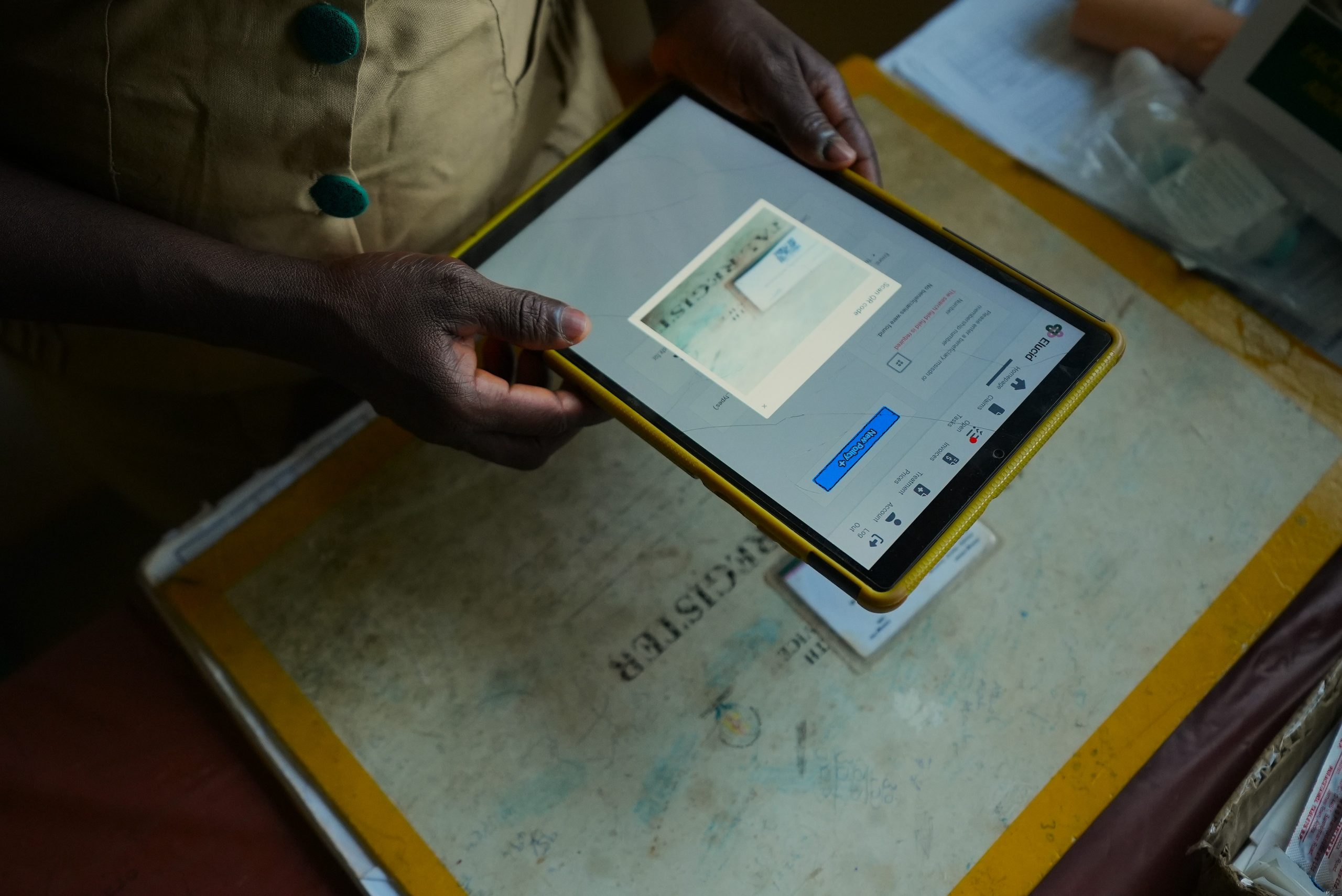
Why Governance Is the Differentiator
Many organizations build data pipelines by embedding strict quality and metadata management right after ingestion. Our core differentiator is building governed ones.
From the moment data enters our system, we automatically catalogue, tag, providing full quality-check. We embed metadata management and validation rules directly into the architecture, preventing the common pitfalls of fragmented or opaque data flows.
This controlled process ensures:
- Full auditability
- Consistent metrics across countries
- Transparent data lineage
- Faster analytical turnaround
- Reduced reporting risk
What This Enables
What does a unified, well-governed data flow enable for Elucid? It solves the problem of data access and integrity, making our research faster and our analysis more accurate. It is the blueprint for all future data projects, allowing us to pivot quickly and make our impact on global health more immediate and far-reaching.
So what? We are building the foundational data processes for a healthier future.

Building Infrastructure for Long-Term Impact
The key takeaway is that building an effective, unified data environment is more than a technical project—it’s a long-term commitment to data governance,flexibility, and transparency.
While developing this architecture requires significant investment , it pays off by bringing Elucid exactly to where we want to be: equipped to deliver reliable, impactful insights.
We believe this disciplined approach is non-negotiable for any organization serious about driving innovation in health technology.
It is the foundation that turns operational activity into measurable impact.
Related content
-
 The deeper our operationalization went, the clearer it became that technology alone is not enough. AI governance, meaning the policies, principles, and practices behind our Responsible AI approach, became just as important as the
-
 Unreliable internet isn't a rare occurrence for Elucid's field teams, it's the everyday reality. Here's why we built our product to work fully offline, and what changed when we stopped designing around a stable