
Living Income and Supply Chain resilience: Insights from the GIZ Cocoa Days
Living income remains the central challenge in cocoa supply chains. But one key driver of that challenge is still largely under-addressed: health.
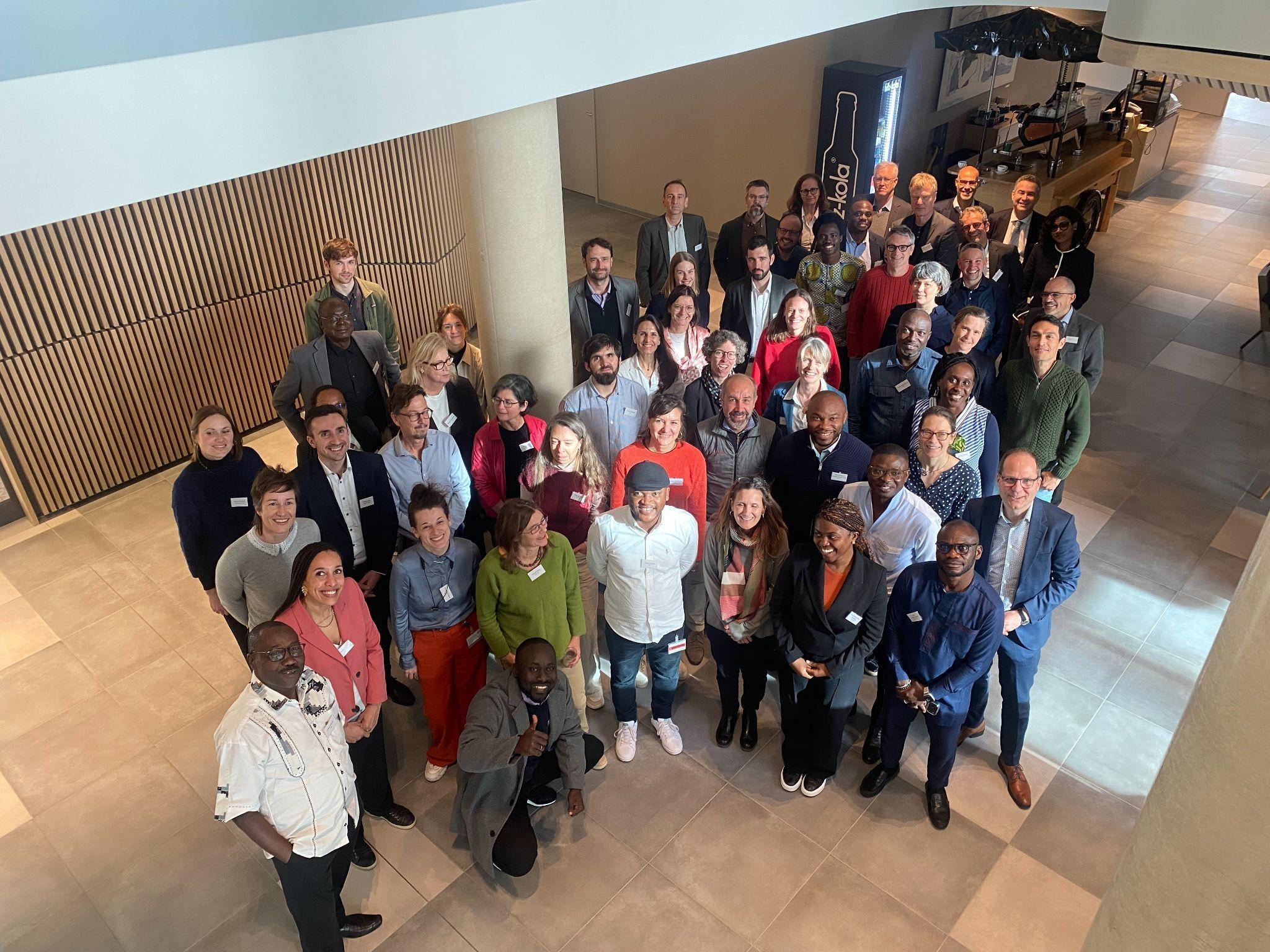
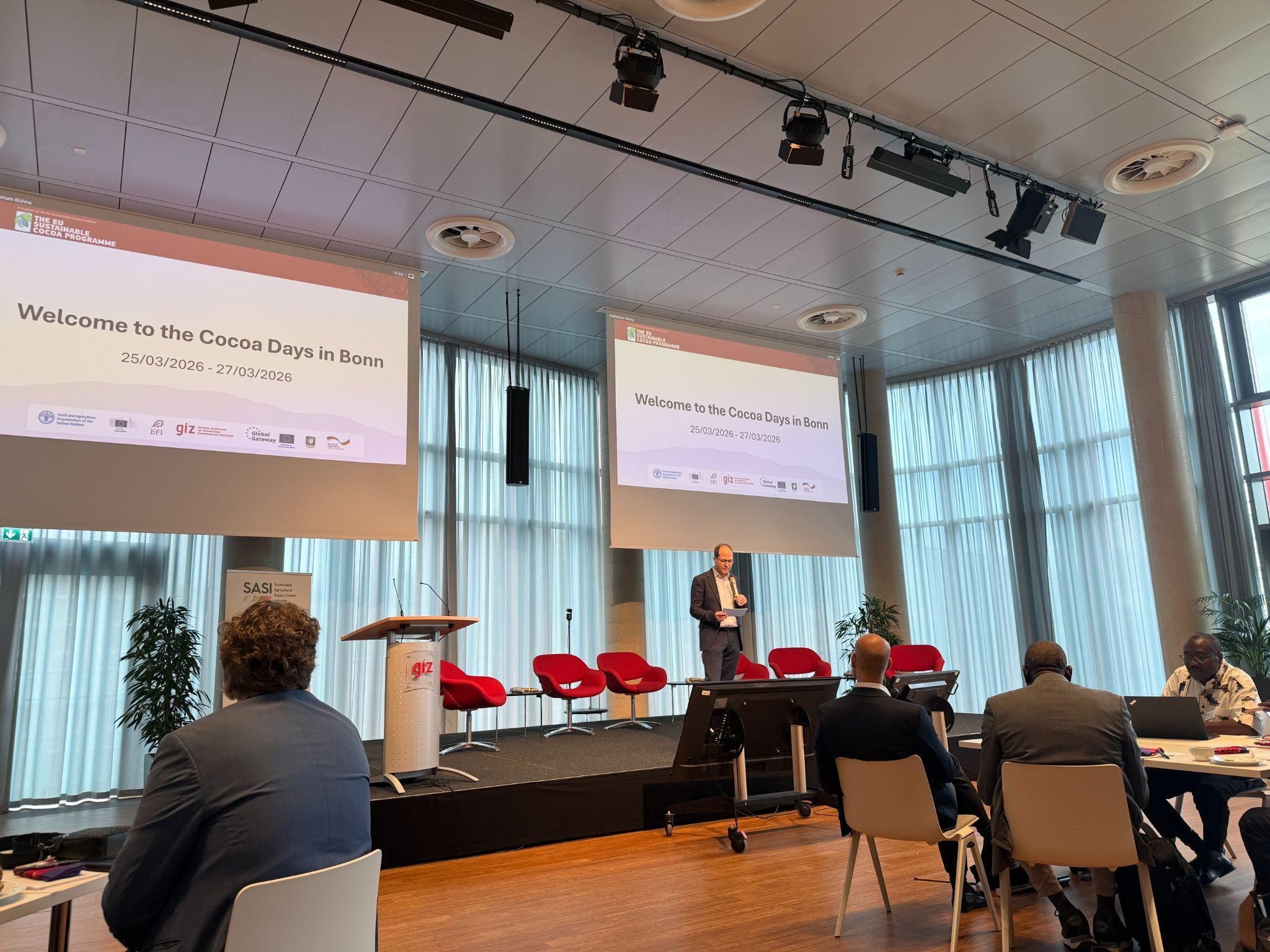
In Bonn, 25–27 March 2026, a multi-stakeholder convening organized by Deutsche Gesellschaft für Internationale Zusammenarbeit (GIZ) GmbH brought together partners from the EU’s Sustainable Cocoa Initiative including EU institutions (DG INTPA), German development cooperation represented by the the German Federal Ministry for Economic Cooperation and Development (BMZ), civil society, research bodies (Cirad, FAO), development finance (EIB, Rabobank), and private sector actors to take stock of where the cocoa sector stands and what it will take to get farmers to a living income.
The gathering served as a forum for cross-cutting insights, signals, and commitments across the cocoa value chain, aimed at aligning policy, finance, and private-sector actions with the lived realities of cocoa farming communities.
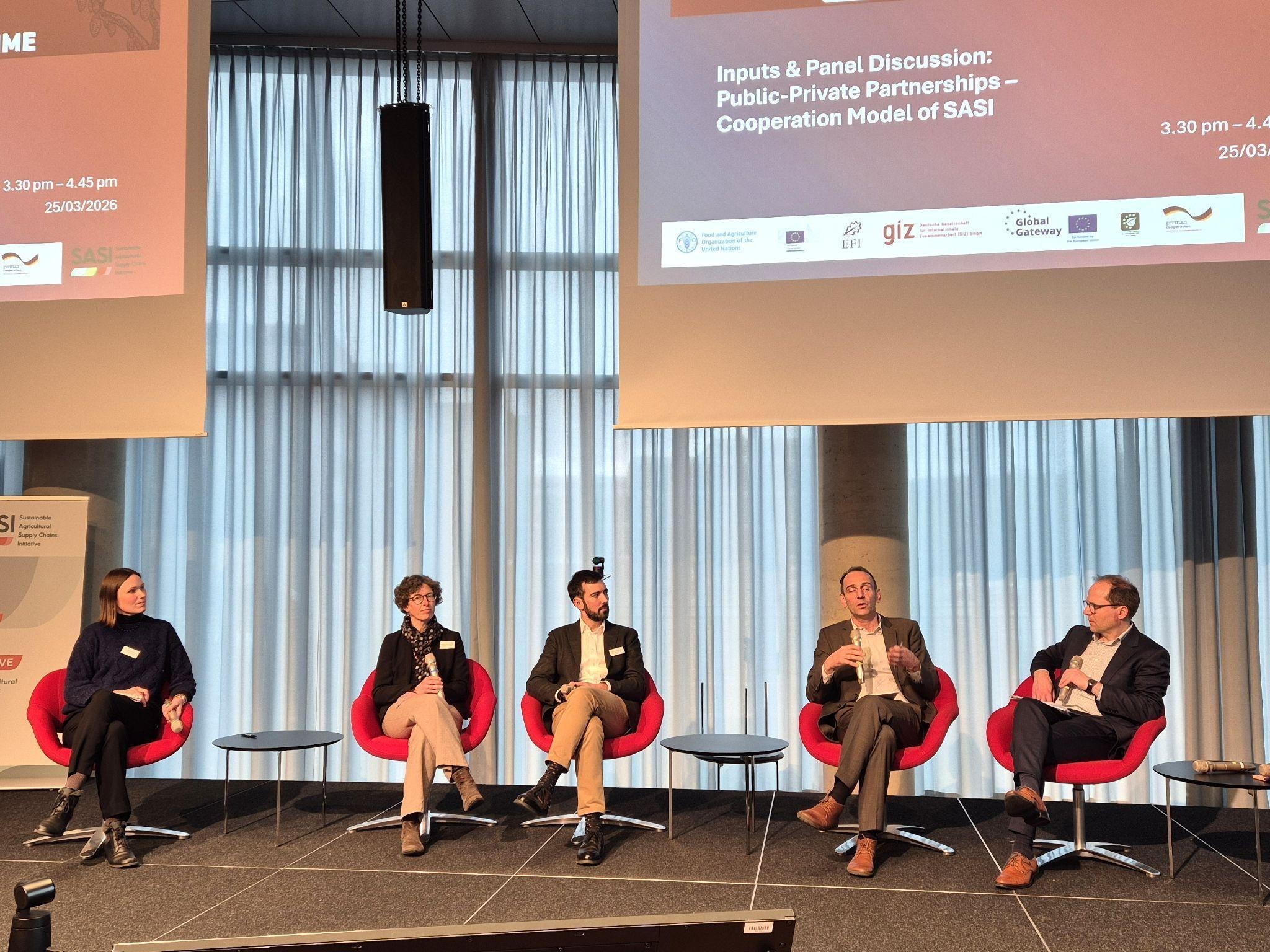
Elucid’s presence was highlighted in the afternoon session on private sector cooperation under the Sustainable Agricultural Supply Chains Initiative (SASI), where the CHEER project with Tony’s Chocolonely in Côte d’Ivoire was presented as a strong signal of recognition within the broader ecosystem.
What we brought to the table: Insights into our CHEER Project
CHEER (Cocoa Health and Empowerment for Economic Resilience) is one of our programs in Côte d’Ivoire. It is co-financed by the German Federal Ministry for Economic Cooperation and Development (BMZ), and Tony’s Open Chain and the Chocolonely Foundation and jointly implemented by Elucid and the GIZ through SASI, Gavi, the Vaccine Alliance, the Bayer Foundation, and the UBS Optimus Foundation are public health co-funders expanding the reach of the program beyond the supply chain to reach wider communities with a focus on improving vaccination coverage, maternal and child health in collaboration with the Ministry of Health.
What this enables in practice is reduced exposure to health-related financial shocks, allowing households to remain stable and continue investing in their farms. The program has four core pillars:
- National Health Insurance (CMU) enrollment: getting farmers into the national CMU system with cards that actually work.
- Emergency and essential care: complementary top-up coverage for the gaps the CMU doesn’t yet fill.
- Quality of care improvement at partnering health facilities.
- Preventive mobile clinics: offering maternal care, malaria, vision screenings, and vaccination campaigns.
These pillars support our dual objective: to connect farmers to the national system while ensuring that where that system falls short, no enrolled farmer faces a catastrophic out-of-pocket cost.
In the CHEER program we work with two cooperatives in Tony’s Open Chain, SOCOOPACDI and COOBADI. The project is nestled within a larger project with several partners in multiple regions in CI and is run in partnership with the Ministry of Health and the national health insurance authority. Early results from our first months of running the project show tangible progress: 1,756 farming households enrolled, 3,277 CMU cards issued, and fifteen health facilities onboarded and ready to deliver services in 2026.
The program’s design also includes a robust data backbone; tracking health and socio-economic outcomes to demonstrate sustainability and to inform EUDR/CSDDD compliance needs for private partners. In parallel, the CHEER data feed supports living-income analyses by showing how keeping households healthy stabilizes labor supply and reduces costly disruptions to farming activity
Living Income as a Central Challenge
One of the key takeaways from the event is that living income remains the central challenge for cocoa, with price volatility and value capture at the core of what needs to change. Living income is not only about money itself: at its core, it is about securing access to essential services (health care, education, housing, social protection) and ensuring that higher incomes actually translates into lasting well‑being.
Regulation and public policy (EU Deforestation Regulation, CSDDD) are driving action, not just philanthropy or voluntary corporate pledges. Both approaches are valid; and a functioning health foundation can be a critical enabler of that change.
Health coverage sits at the nexus of economics, social protection, and governance. A ‘living income’ isn’t secure as long as a single health shock can still push a family into poverty. However, if farmers are protected from medical shocks, they can invest more consistently in their farms and remain in the cooperative system, supporting traceability, compliance, and long-term sustainability.
The event reinforced that scale and collaboration need teeth. The call for multi-stakeholder collaboration was tempered by realism: it needs clear objectives, accountability roadmaps, and support for producing countries to implement EUDR compliance – not just aspirational language.
Health coverage is not charity; it is an investment in resilient, productive supply chains that benefit farmers, brands, and the wider European market.
The Long and Short of it?
The question is no longer whether health matters for cocoa sustainability, but how to integrate it into living income strategies at scale.
Health is an investment in people, farms, and the resilience of cocoa supply chains. CHEER provides a proven, scalable model that aligns public, private, and civil society interests to deliver real, verifiable impact for cocoa communities.
We’ll leave you with a final quote from the event: “If we don’t give producers the means to produce sustainably, they will just produce in the cheapest way – it’s as simple as that.” But what will be cheap in the short term will result in higher expenses in the long term if supply chains become incredibly unstable due to a lack of sustainable practices; health can be a key to supply chain sustainability and resilience – in a social and economic sense.
Related content
-
 We co-organized a panel and side session that opened ways for a more inclusive sustainability
-
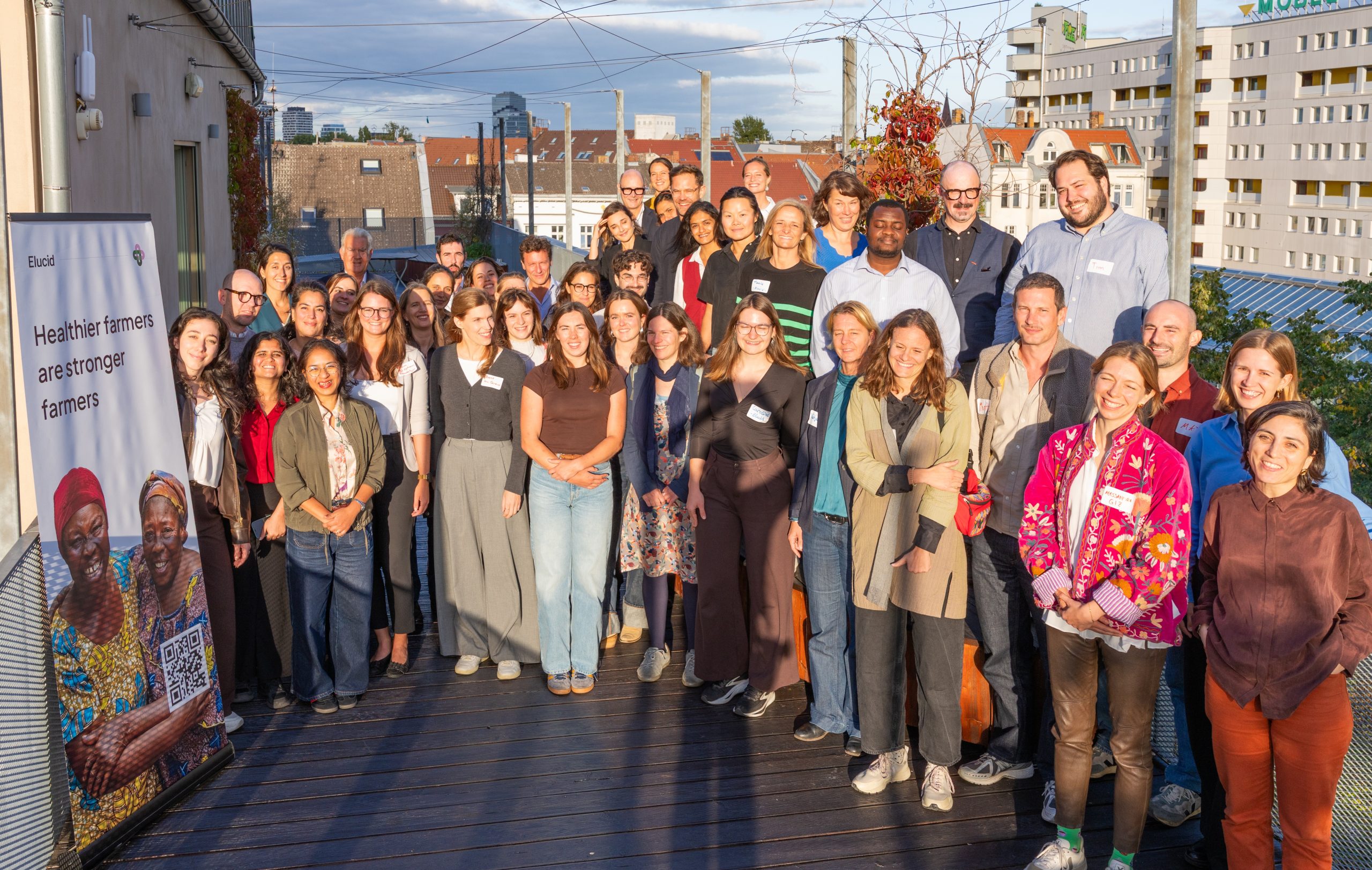 What actually makes a farming household resilient, and how do we finance that resilience at scale? At Well Enough to Farm, our Berlin dialogue on health and financing, these were the two questions at
-
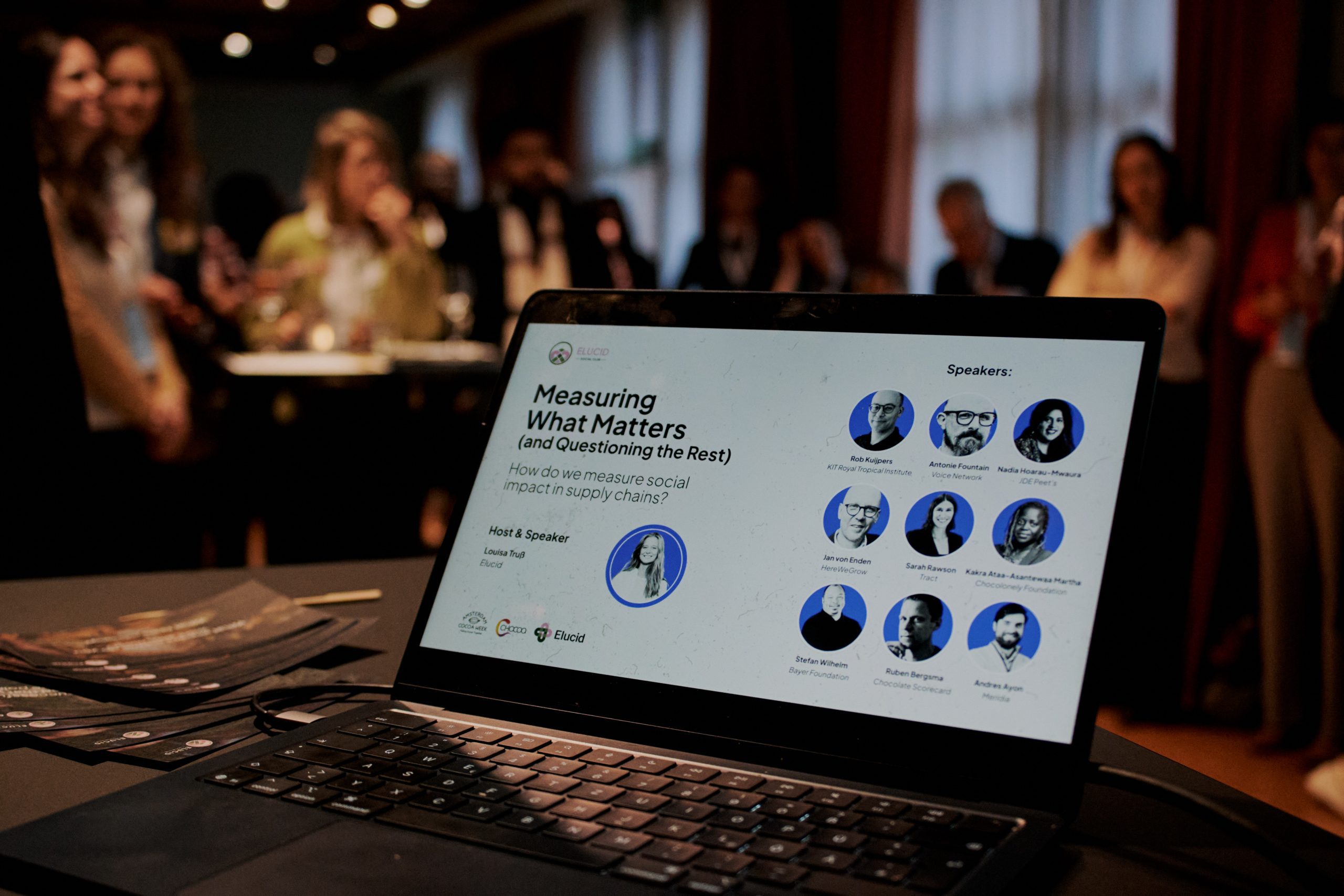 The third Elucid Social Club "Measuring What Matters (and Questioning the Rest)" was designed as a focused space to dig deeper into one core idea threading through the week: Are we measuring what truly