
Community Health Services: How Supply-Chain Health Investment Can Reach Wider Communities
When a company invests in healthcare for the farmers or workers in its supply chain, that investment can create a foundation for reaching people beyond those directly enrolled in the program. In many cases, it unlocks something bigger- investment that reaches not just the supply chain, but the wider community and health system around it, contributing to systemic change.
Our 2025 Annual Report documents this approach – how healthcare investment embedded in agricultural supply chains can strengthen local health partnerships, expand the capacity to deliver care, and create opportunities to extend services further.
By combining private-sector investment with funding from multilateral, public, and philanthropic partners, Elucid builds on that initial investment to reach the wider community.
This is the role of Community Health Services (CHS).
What are Community Health Services?
CHS extends healthcare access beyond the farmers, workers, and families directly enrolled in our supply-chain programs.
Depending on local priorities, this can include vaccination campaigns, mobile clinics, and quality-of-care support. These activities build on partnerships and systems already established through our work in agricultural communities.
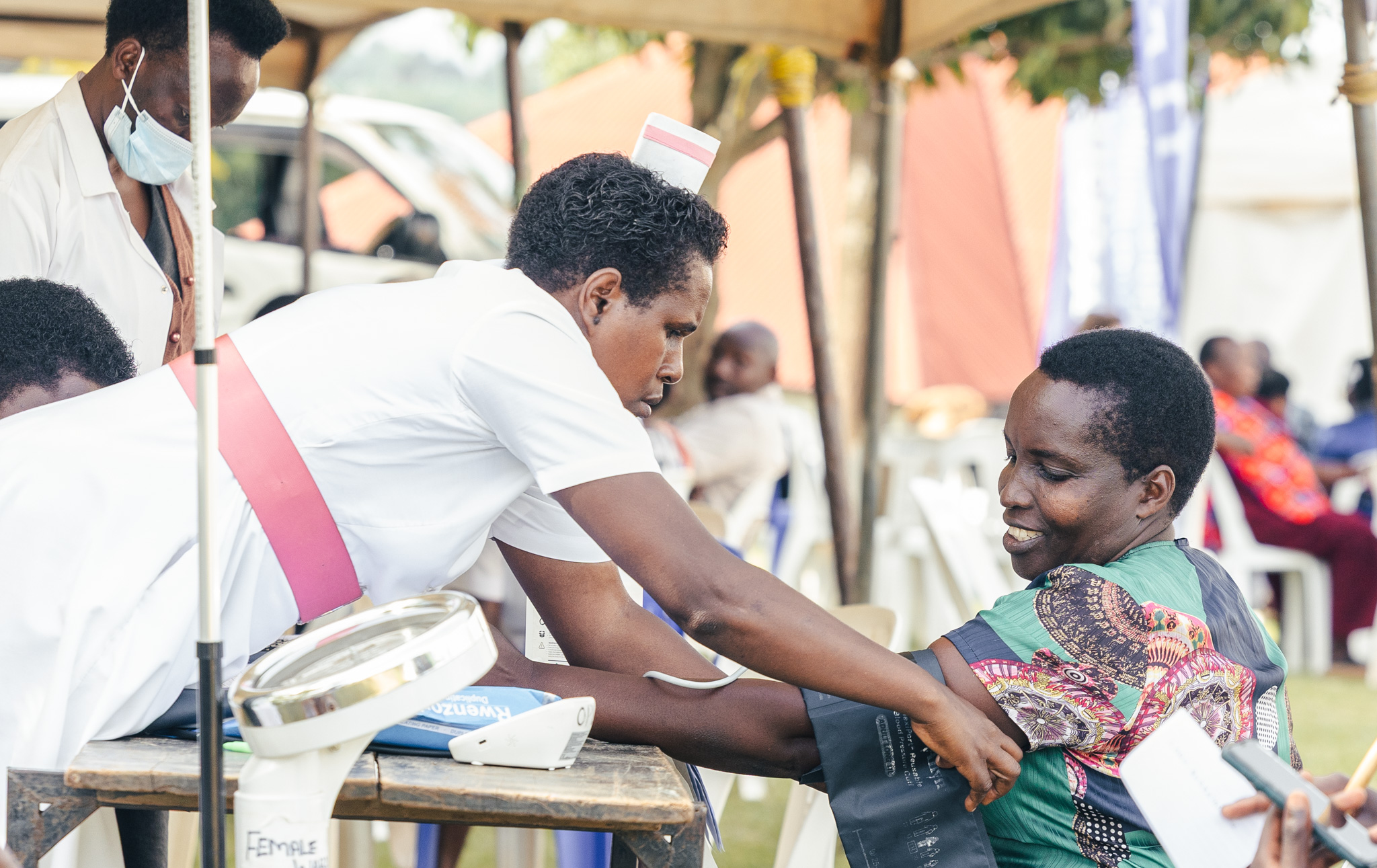
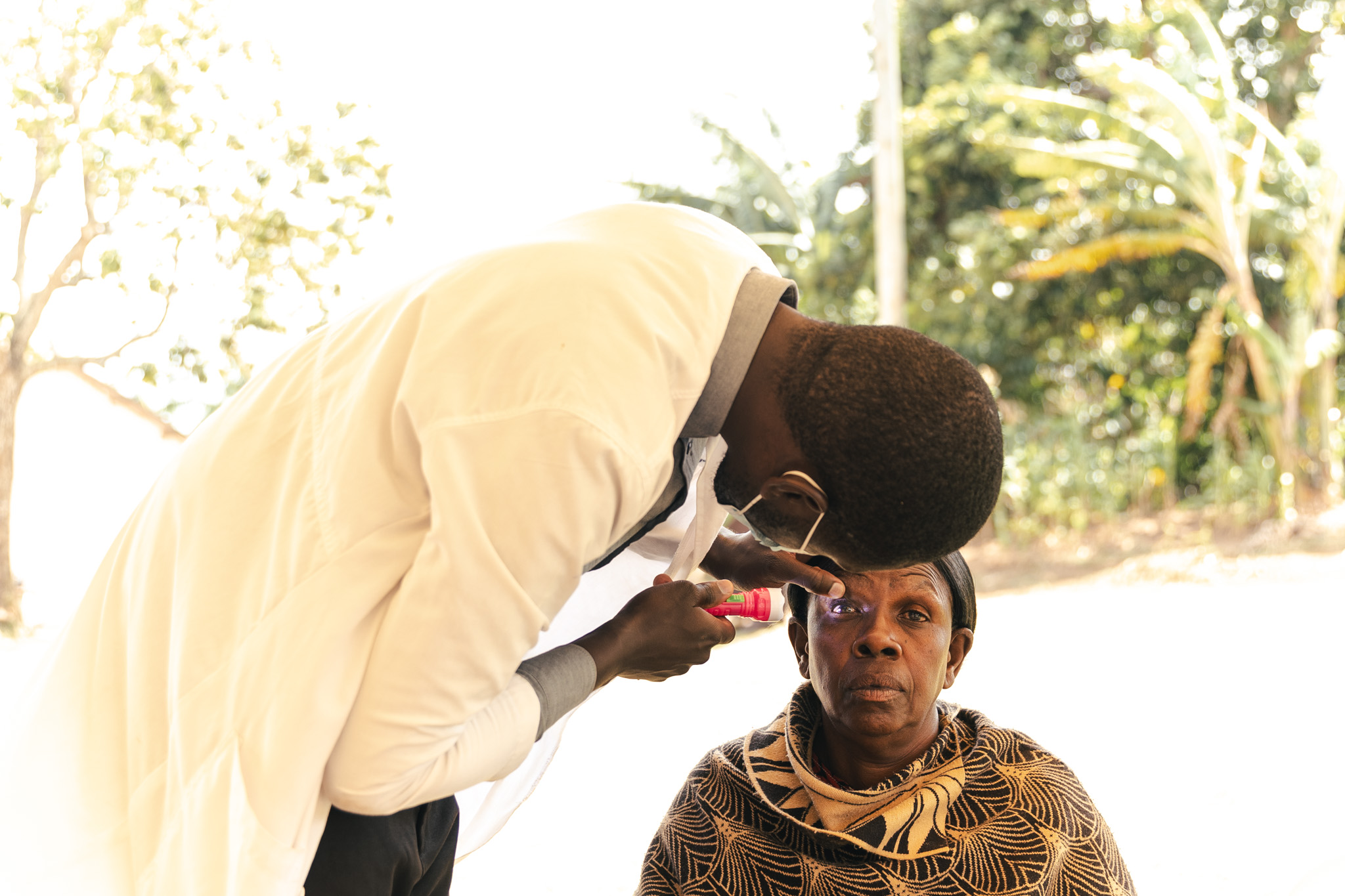
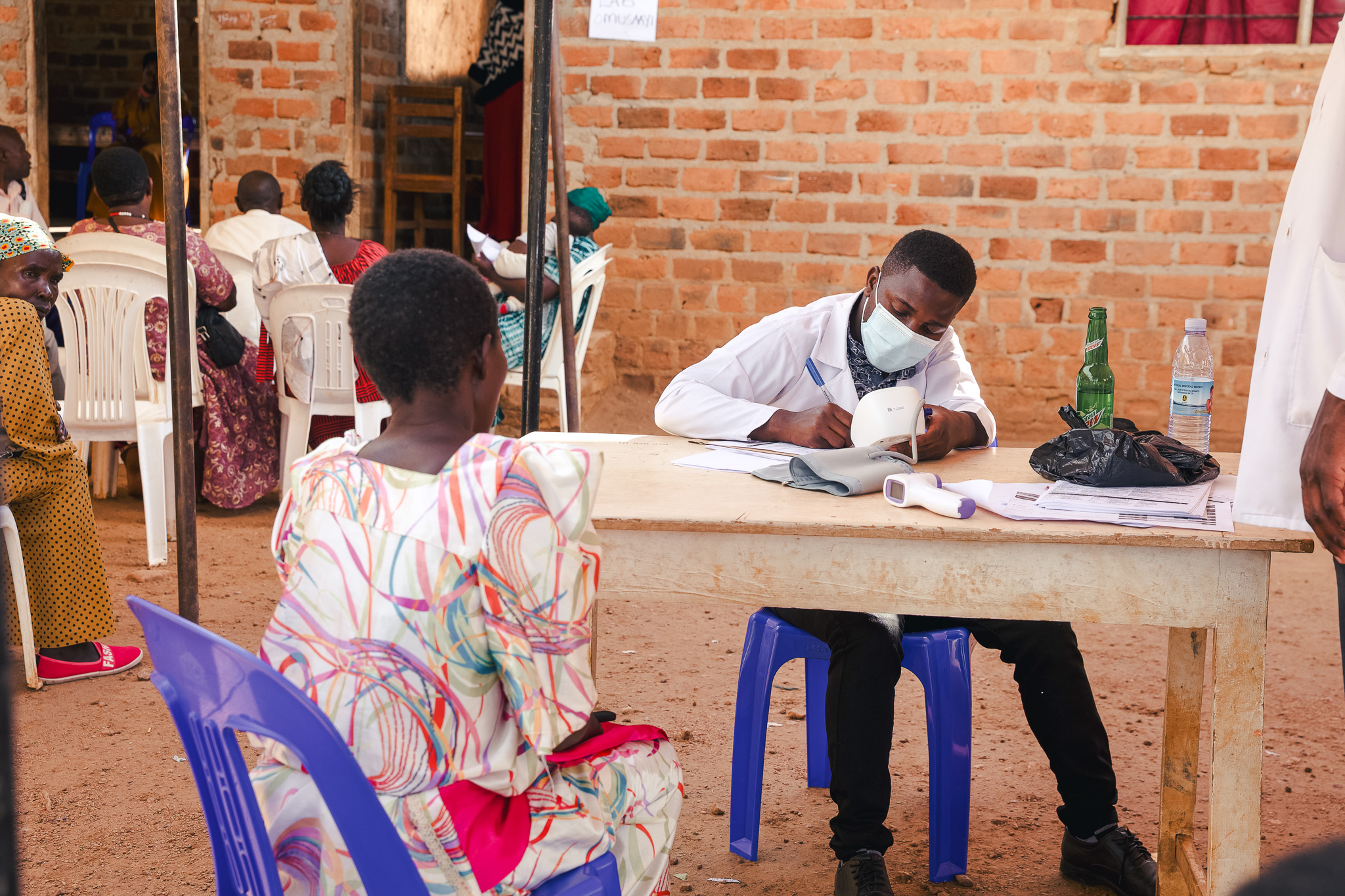
- Mobile clinics bring care closer to communities that are far from a health facility and provide services that may not be locally available. Working with regional health authorities and partner hospitals, mobile teams offer general consultations, maternal and child health services, eye and lung screenings, and referrals for patients who need further care.
- Vaccination campaigns are designed around local coverage gaps. Priority vaccines vary by country and can include vaccines against malaria and HPV, a virus that can cause cervical cancer, as well as routine childhood immunizations. Campaigns are open to all eligible children in the area, not only those enrolled in Elucid programs.
- Quality-of-care support works with local health facilities to strengthen the services they already provide.
Designed around local health systems
CHS is always delivered in partnership with local government health authorities, adapted to each community’s priorities rather than following one fixed model.
Quality-of-care improvement is driven by each facility’s own staff. They identify their own priorities and lead the improvement process, supported by coaching and technical assistance from our team. Vaccinations follow the same principle. Before activities begin, we identify where children are being missed and the barriers preventing them from being vaccinated. This evidence helps shape outreach, strengthen local delivery, and address concerns within communities.
By working with local health authorities and facilities, CHS responds to local needs while strengthening the systems already serving those communities.
Ghana: What sustained investment looks like at scale
Ghana is where CHS has had the longest runway. Since August 2025, mobile clinics have provided more than 4,200 consultations. Across mobile clinics, reading-glasses distribution, and vaccination activities, CHS has reached more than 22,000 people.
Screening results also point to significant unmet health needs. Among patients screened in recent months, 86% had a clinical finding requiring treatment – a sign that these clinics are reaching people whose health needs had gone undiagnosed earlier.
Vaccination activities have reached more than 14,000 children to date, a number that keeps growing with each new campaign. These campaigns combine school-based vaccination with door-to-door outreach, helping reach children who might otherwise be missed.
Côte d’Ivoire and Uganda: Expanding the model
Between March and July 2026, in Côte d’Ivoire, mobile clinics have run 52 sessions across 17 sites, seeing more than 3,400 patients. That work already spans more than general check-ups, 126 maternal health screenings, 195 child health consultations, and 621 pairs of glasses distributed alongside eye and lung screening. The range of service shows how mobile clinics can provide access to several forms of care during the same visit, especially where those services are not easily available locally.
In Uganda, CHS is just getting started. An early phase across three community sites treated over 290 patients in a single week, an early test of the model before it scales, and one that mattered enough to move on quickly. Glasses distribution has already expanded beyond that first phase, with 433 pairs distributed so far. To set up mobile clinics and vaccination campaigns at full scale, groundwork has to come first. Quality of care assessments are underway across the program’s target facilities, laying that foundation.
Côte d’Ivoire and Uganda are still early in this journey, but they are part of something much larger – by 2027, Elucid aims to reach 1 million people through this same supply chain and community approach.
Extending the value of private-sector investment
Private-sector investment in healthcare for farmers and workers is the starting point for all of Elucid’s work in agricultural supply chains. It supports access to care for enrolled households while helping establish local teams, relationships with health facilities, and the capacity needed to deliver services effectively.
In some countries and programs, we are able to combine that initial investment with funding from multilateral, public, or philanthropic partners, extending select services to the wider community through CHS. Partners supporting this work include Gavi, the Vaccine Alliance, UBS Optimus Foundation, and Bayer Foundation.
These partners may approach health from different perspectives. Companies may focus on the well-being of farmers and workers and the resilience of their supply chains, while public and global health partners focus on wider population health priorities. CHS brings those motivations together around a shared goal: improving access to care and strengthening the local systems that deliver it.
The funding structure varies by country and program. What remains consistent is the opportunity to align different sources of investment through the same local health authorities, facilities, and priorities, allowing services to extend beyond enrolled households and reach the wider community.
Public-private partnership, in practice
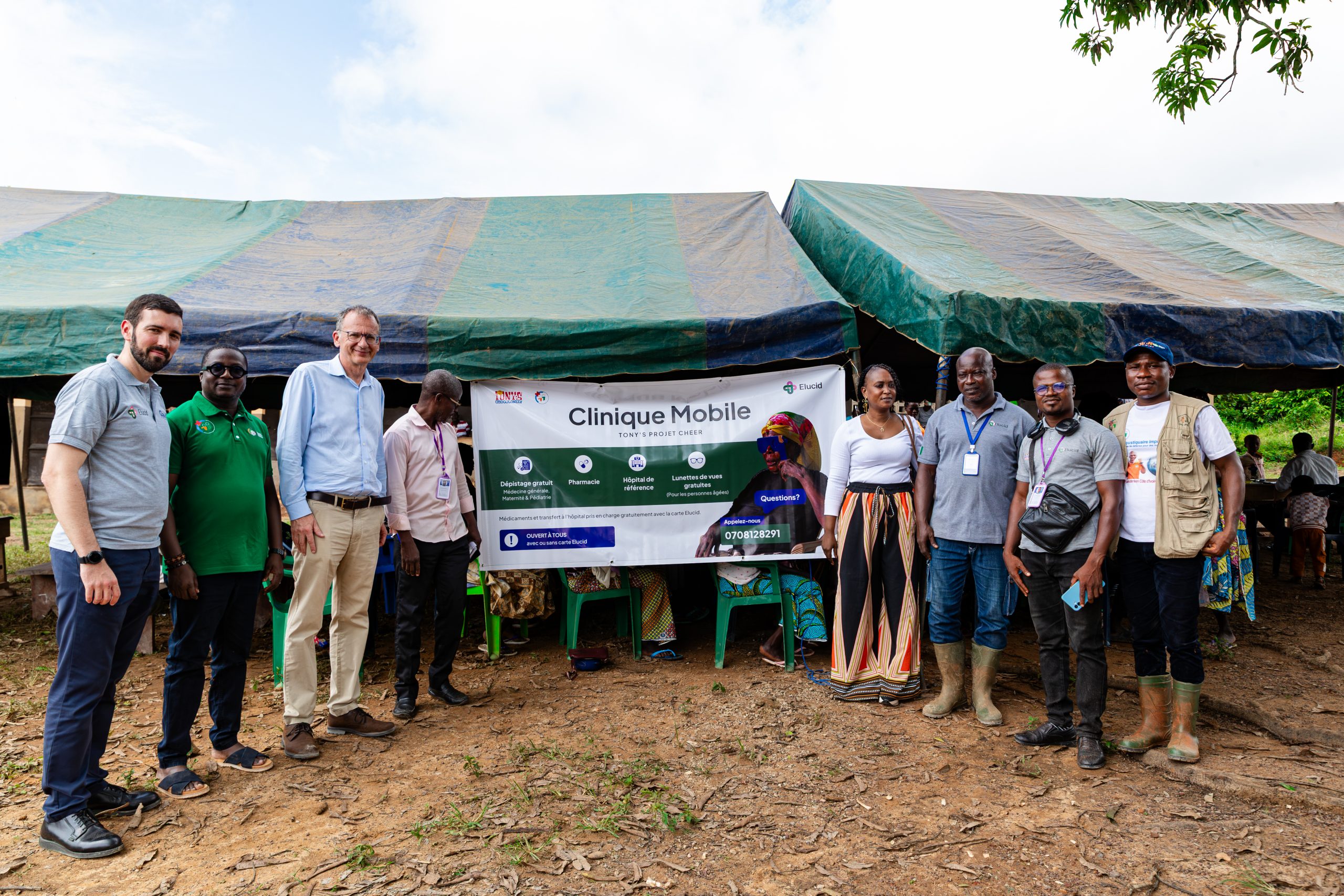
A recent field visit to Côte d’Ivoire we organized with Gavi, the Vaccine Alliance, brought together public authorities, cocoa-sector actors, global health partners, philanthropic co-funders, and implementation partners. It offered a practical view of how health financing, mobile clinics, facility support, and vaccination outreach can come together around the same communities.
As Samuel Knauss, our Founder and Managing Director, puts it:
“The private sector invests when there is a business case. Healthy farmers are essential to stable supply chains. That makes this investment, not charity. And because outcomes can be measured, the model can scale.“
Together, these efforts point to a broader opportunity: healthcare investment made through agricultural supply chains does not have to end with the people directly enrolled in a program. Through collaboration with public, multilateral, and philanthropic partners, it can support wider community health priorities and strengthen the local systems that deliver care.
CHS is part of a larger story. Explore more in our 2025 Annual Report!
Related content
-
 Access to affordable healthcare is one of the most important ways to break the cycle of poverty, and it can have a profound impact on reducing negative coping mechanisms, such as child labor, as
-
 At a time when much of the global conversation is centered on political instability and shifting priorities, Côte d’Ivoire has boldly committed itself to the truth that health is a human
-
 From the 1970s onwards, Ghana implemented several health reforms in order to make healthcare more accessible, affordable, and high quality for its