
What Actually Builds Resilience, and Who Pays for It?
What actually makes a farming household resilient, and how do we finance that resilience at scale?
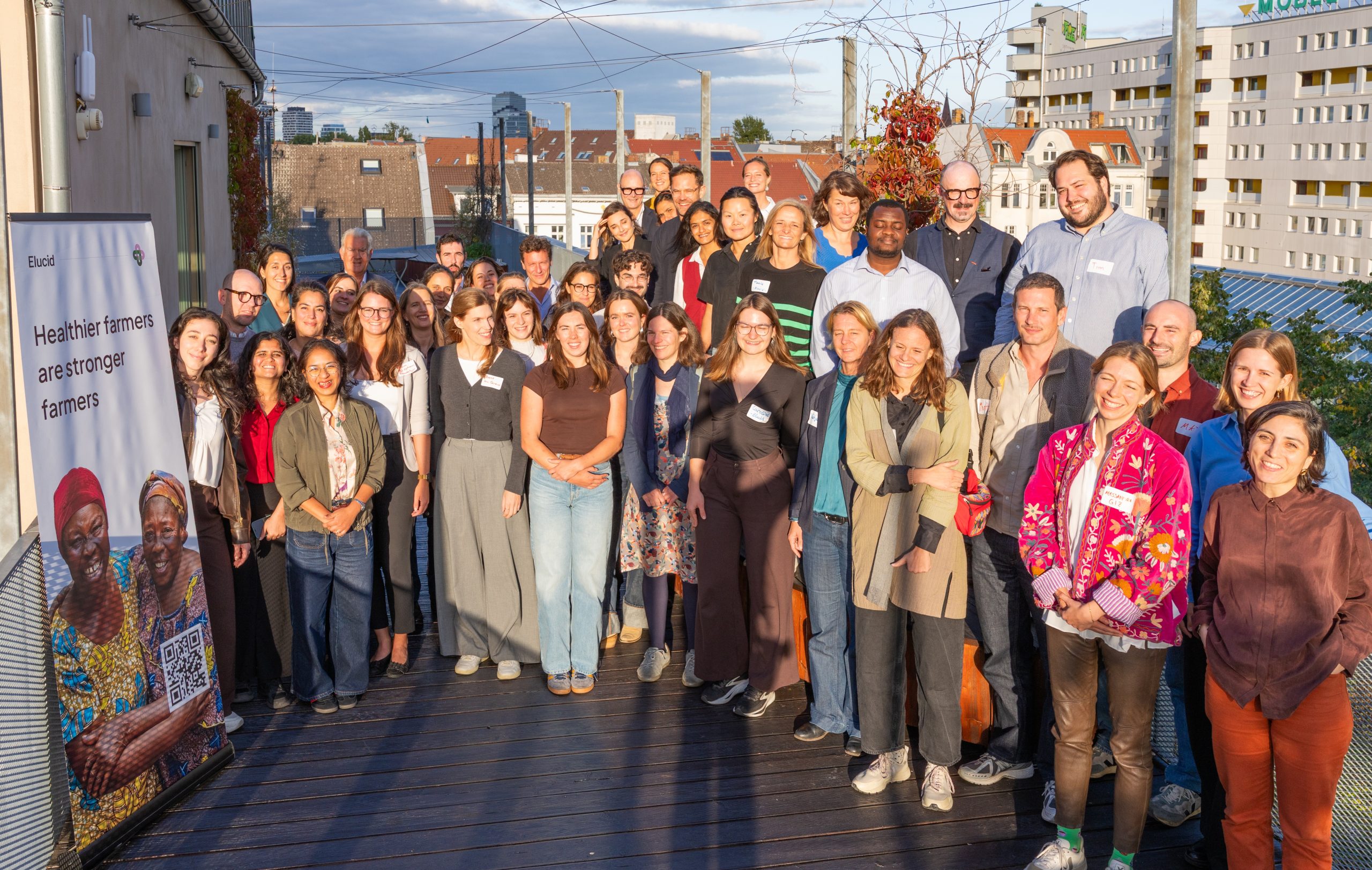
Those were the two questions at the heart of Well Enough to Farm, a public dialogue recently hosted by Elucid in Berlin. Across a keynote and two panel discussions, voices from industry, development policy, civil society, finance, and research came together to examine where we are making progress, where perspectives still diverge, and which questions we need to keep working through together.
The afternoon didn’t produce a single answer. Instead, it surfaced some of the tensions and open questions the sector still needs to work through: what actually builds resilience, how we measure it, and who should ultimately pay for it.
Value rarely reaches the farmer
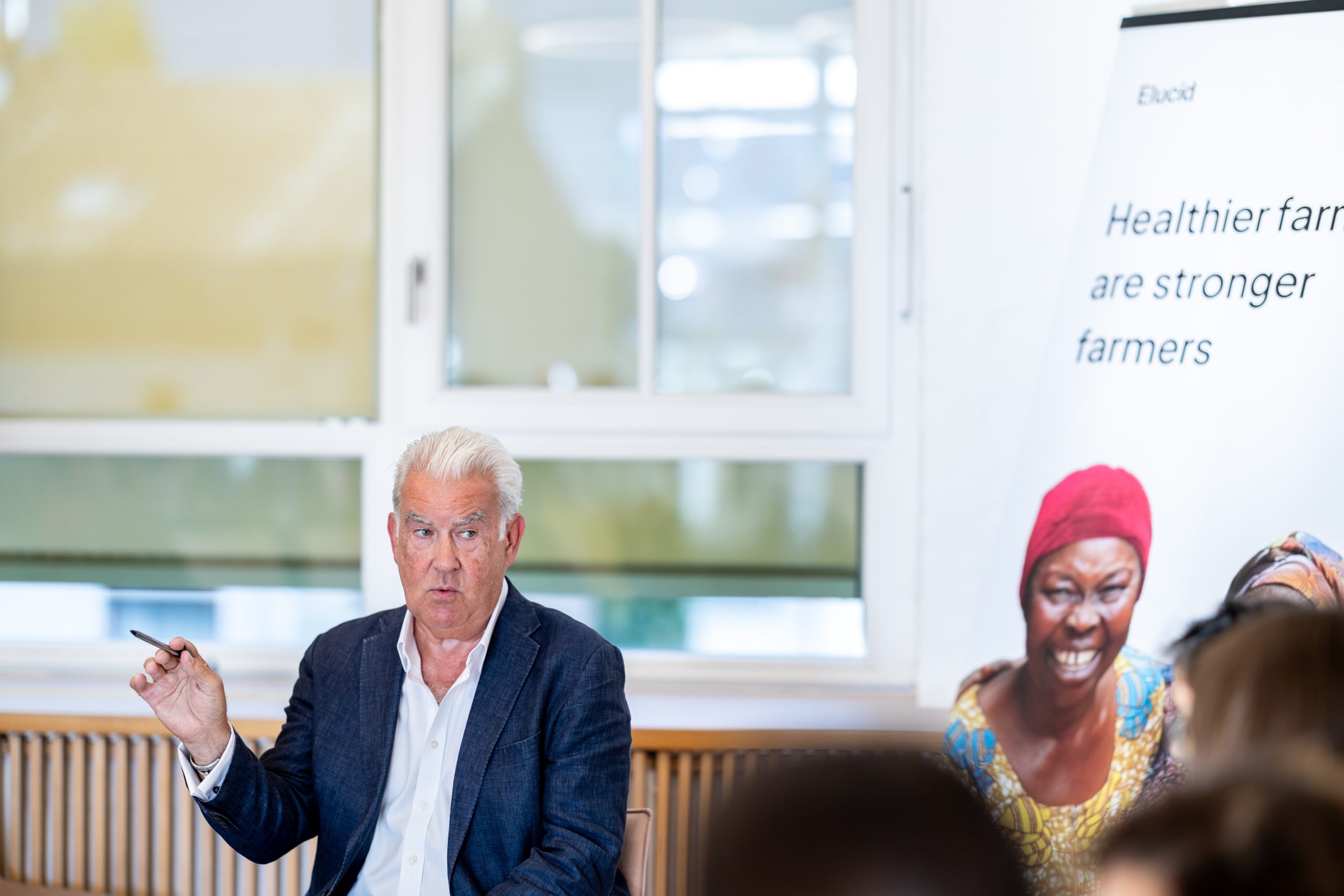
More than 500 million families farm globally as smallholders: the purest form of self-employment there is, with no pension, no minimum wage, and no insurance. Martin Short, CEO of the Ethical Tea Partnership, opened with a warning that has shaped ETP’s work for many years: more capacity does not necessarily mean more value. In Kenya, adding processing capacity didn’t raise farmer income. It created more competition for the same green leaf, pushing down quality, prices, and ultimately what smallholders took home.
Short described this as an “hourglass” supply chain: value flows through a complex chain of actors, but only a limited share ultimately reaches the farmgate, even as commodity and retail prices rise.
“Don’t tell me what the consumers pay, tell me what the farmers earn.” – Martin Short
His framing for the day was clear: higher commodity or consumer prices alone do not necessarily translate into stronger farmer incomes or greater resilience. Farmers remain exposed to significant risks, many of which they cannot be expected to carry alone. As Short put it, farmer resilience is not simply a charity issue. It is a business issue.
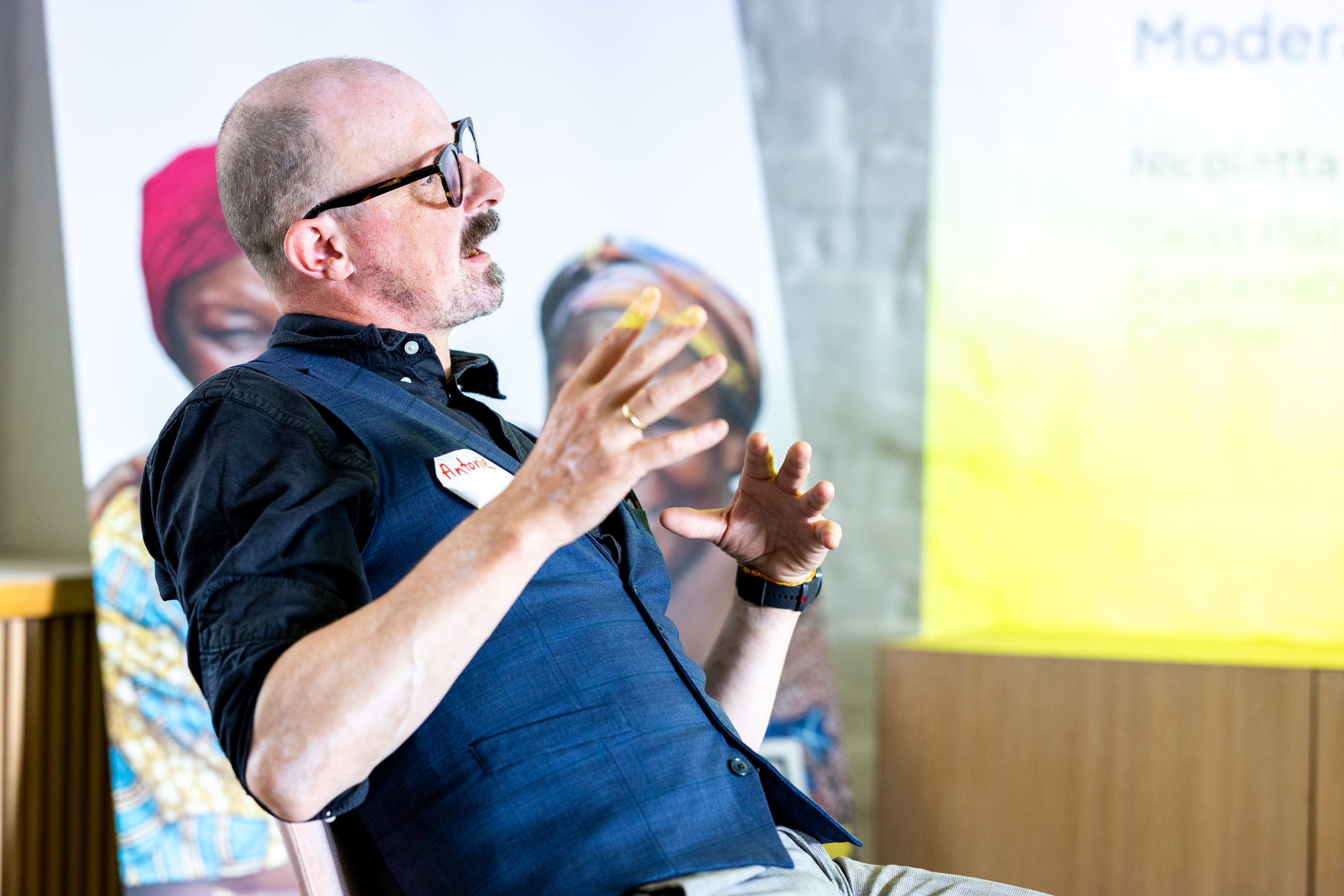
“The farmer isn’t the problem, the farmer has a problem“
That line, from Antonie Fountain, Co-Founder and Managing Director of the VOICE Network, captured a central theme of the first panel.
Too many interventions start by asking how to make farmers more productive, more efficient, more resilient. The panel challenged us to ask instead what undermines farmers’ resilience in the first place.
Resilience means having options: multiple income sources, functioning public services and markets, and strong community structures. Healthcare belongs in this picture too. When medical expenses are unexpected and largely unbudgeted, households often need to borrow or draw down savings, reducing their ability to absorb the next shock.
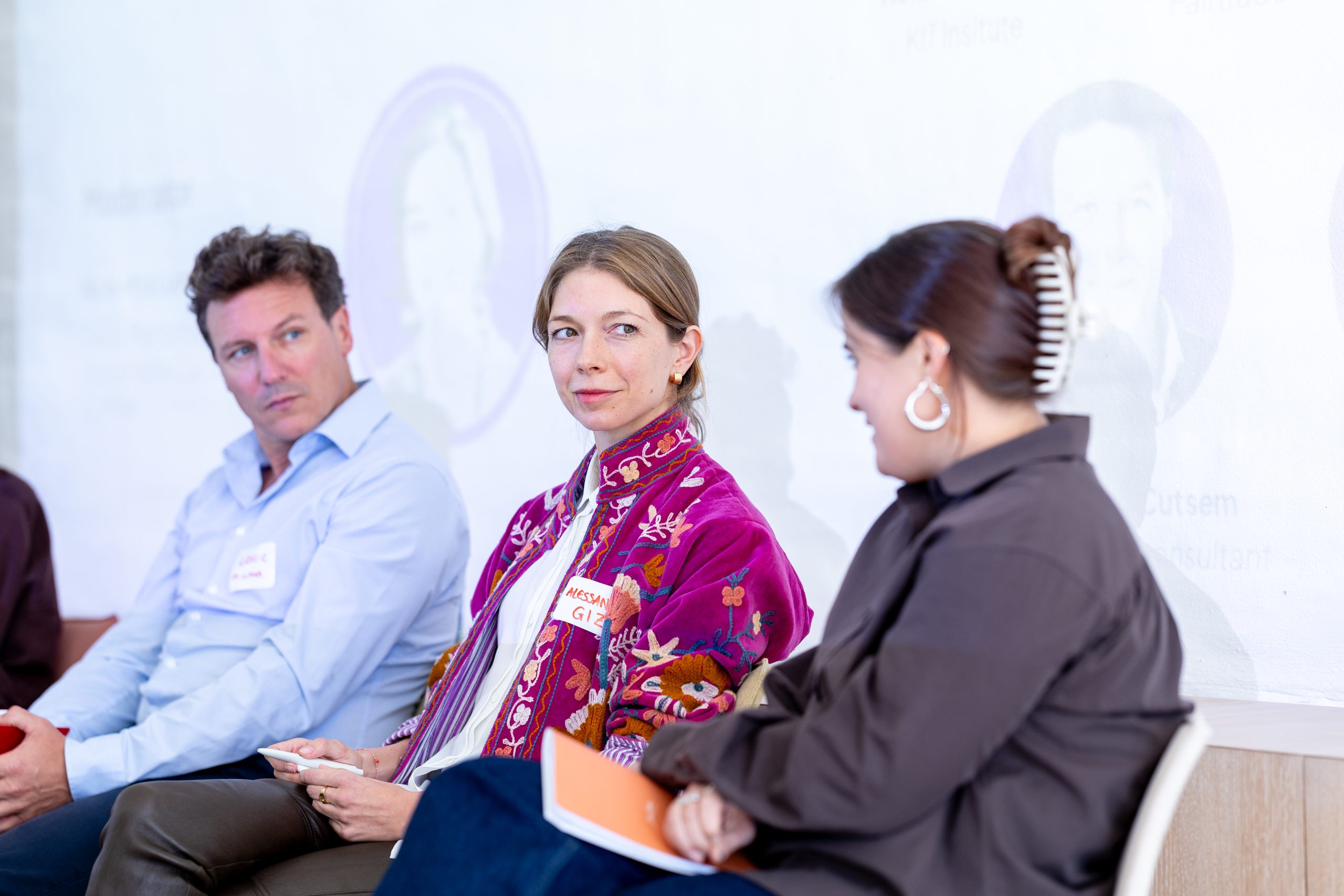
The missing connection, Alessandra Fiedler, Coordinator of the Sustainable Agricultural Supply Chains Initiative (SASI)at GIZ pointed out, is between sectors, not necessarily between solutions. Health, agriculture, income, climate, and finance are deeply connected at the household level, but the institutions working on them often remain separate. Even when the right organizations are involved, incentives, budgets, evidence, and conversations often remain siloed. The challenge, then, isn’t to add more interventions, but to connect existing actors around shared outcomes and longer time horizons.
The challenge is that farming households do not experience health, income, climate, or productivity as separate issues, even if our programs and budgets often treat them that way. And while the links between these factors are becoming clearer, translating that understanding into how decisions are actually made and resources allocated remains difficult.
There is no single intervention that builds resilience. The real challenge is bringing the different pieces together and finance them at scale.
From tracking activities to measuring outcomes
The second panel moved from what builds resilience to the question of how to finance it. Outcome-based financing shifts the focus from funding activities and outputs to paying for agreed results. Upfront capital can come from a social investor, who takes on some of the financial risk, while an outcome funder pays once the agreed outcomes are achieved.
Noelia Pacharotti, Principal Advisor at Valuing Impact, explained why this shift matters: inputs enable activities, and activities produce outputs – people trained, services delivered, farmers reached. These are relatively easy to count, but they don’t tell us whether anything actually changed. Outcomes ask a different question: did incomes improve, did households become more resilient, did productivity change over time? She argued that the sector needs to shift more attention from what was delivered to what changed as a result – because that is what ultimately enables better decisions.
The attraction isn’t only the financing mechanism. Agreeing on an outcome up front creates a shared definition of success and gives delivery organizations more flexibility in how they get there. It also shifts the focus from whether activities happened as planned to whether they actually led to the intended change.
At the same time, the panel was clear about the challenges. Outcomes are harder to define, measure, and attribute. Organizational budget cycles and funding structures are slow to change. And one important question remained open: does outcome-based financing bring new capital into the system, or mainly restructure existing capital differently – and with added complexity?

What remains when the funding ends?
Companies, governments, philanthropy, investors, and farmers all have different roles to play – and different reasons to invest. The challenge is to align those incentives so that resilience becomes something worth sustaining beyond a single project or grant cycle.
Samuel Knauss, Co-Founder and Managing Director of Elucid, closed with a challenge: significant resources are already flowing into agricultural supply chains. If they are not delivering the outcomes we want, the answer cannot simply be to do more of the same. We need longer time horizons, better data and evidence, and financing structures that create incentives around the outcomes we want to achieve.
Ultimately, sustainability means finding ways for health and household resilience to make sense not only as social objectives, but as long-term investments in stronger farming communities and supply chains.
That leaves perhaps the most important question for the sector to keep working on: what remains when the project, and its funding, ends?

A big thank you to everyone who joined us in Berlin and made the afternoon what it was – through the conversations on stage, the perspectives shared in the room, and all the work behind the scenes.
If you’d like to continue the conversation, receive further insights, or connect on any of the topics discussed, reach out to louisa.truss@elucid.de.
Related content
-
 We co-organized a panel and side session that opened ways for a more inclusive sustainability
-
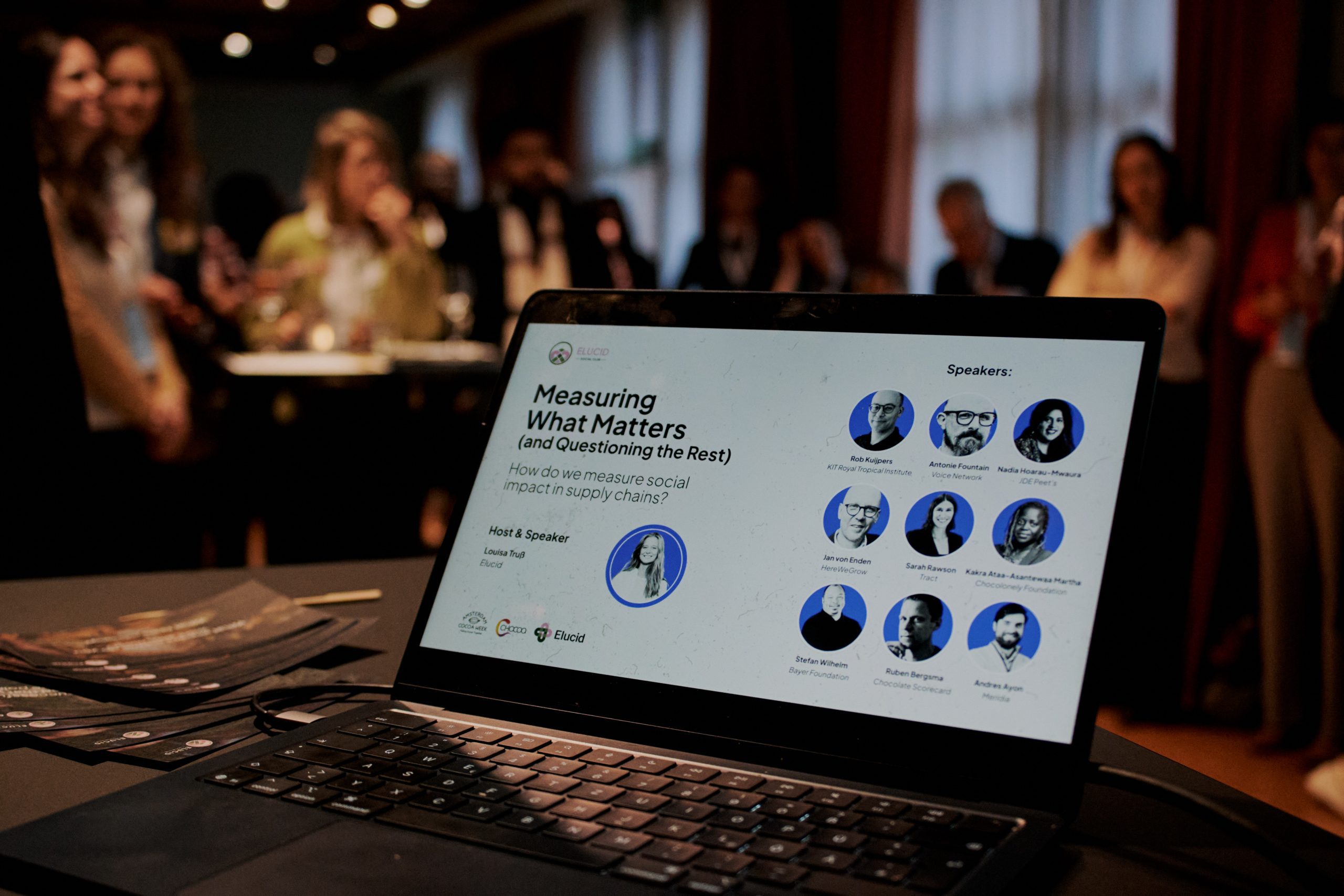 The third Elucid Social Club "Measuring What Matters (and Questioning the Rest)" was designed as a focused space to dig deeper into one core idea threading through the week: Are we measuring what truly
-
 In Bonn, 25–27 March 2026, a multi-stakeholder convening organized by Deutsche Gesellschaft für Internationale Zusammenarbeit (GIZ) GmbH brought together partners from the EU's Sustainable Cocoa