
Health as Infrastructure: How Health Powers Productivity & Resilience in Supply Chains
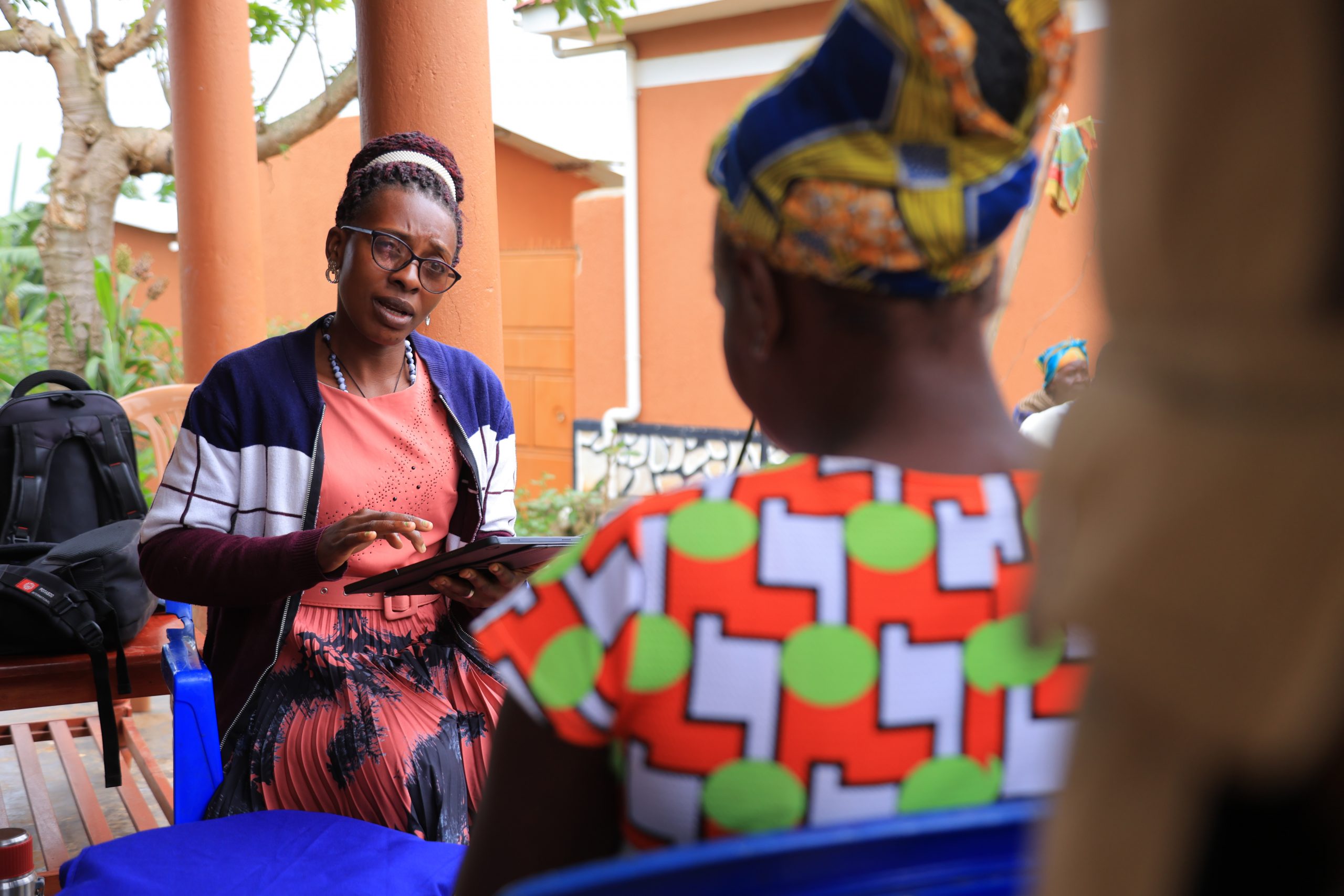
When people think of sustainable, ethical supply chains, there are usually a few things that spring to mind: environmental impact, (child) labour standards, fair payment, and community engagement along the chain.
One issue, however, is consistently overlooked: healthcare.
Despite being largely absent from mainstream sustainability conversations, access to healthcare is one of the the most significant challenges facing communities at the base of global supply chains. Widespread research shows shows that poor health infrastructure, lack of insurance, and high out-of-pocket costs create heavy financial and logistical burdens. The ripple effects are far-reaching: lost productive days due to sickness, child labour to compensate for sick parents, poverty caused by catastrophic health expenditure, and long-term instability.
These impacts do not stop at the farm gate. They affect the entire supply chain.
If we want supply chains that are truly sustainable, ethical, and stable – healthy supply chains – then health must be recognised and invested in as a foundational element.
The Current Problem: Fragile Foundations
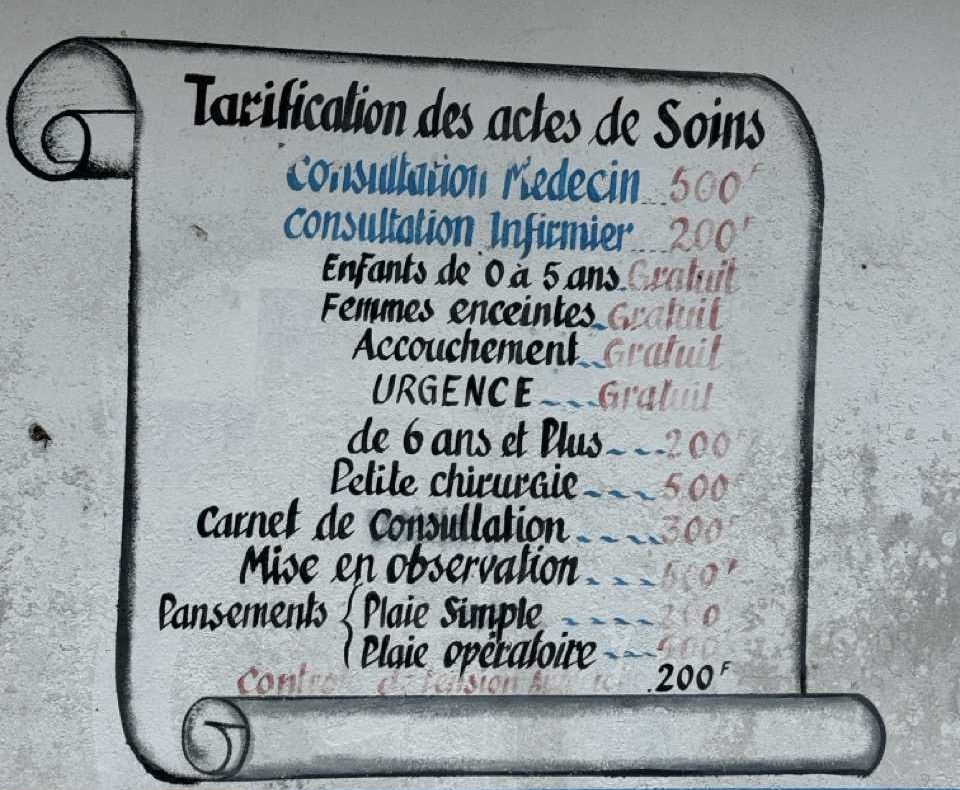
At the base of many agricultural supply chains are rural smallholder farming communities, with limited or no access to basic healthcare, often due to distance, cost, or both. When illness strikes, there are few (if any) protection mechanisms in place.
The consequences are predictable: reduced labour availability, lower farm output, increased vulnerability to poverty, and short-term survival choices that can include pulling children into work to compensate for lost productivity. Beyond the physical effects, the constant pressure of needing to afford healthcare while maintaining a livelihood places a significant mental burden on farming households.
In this way, health challenges silently undermine productivity long before yields begin to decline. While the effects are felt across the supply chain, the root cause has remained largely unaddressed for far too long.
Health & Community Resilience: Why It Matters in Fragile Systems
Resilience, in supply chains terms, is the ability to absorb shocks and adapt to change. Healthy communities recover faster from disruptions such as illness, climate stress, or income volatility. When healthcare is inaccessible, however, households are forced into negative coping strategies that weaken resilience over time.
The opposite is also true. When communities can access affordable, reliable healthcare, farm productivity stabilizes and harmful coping mechanisms can be avoided.
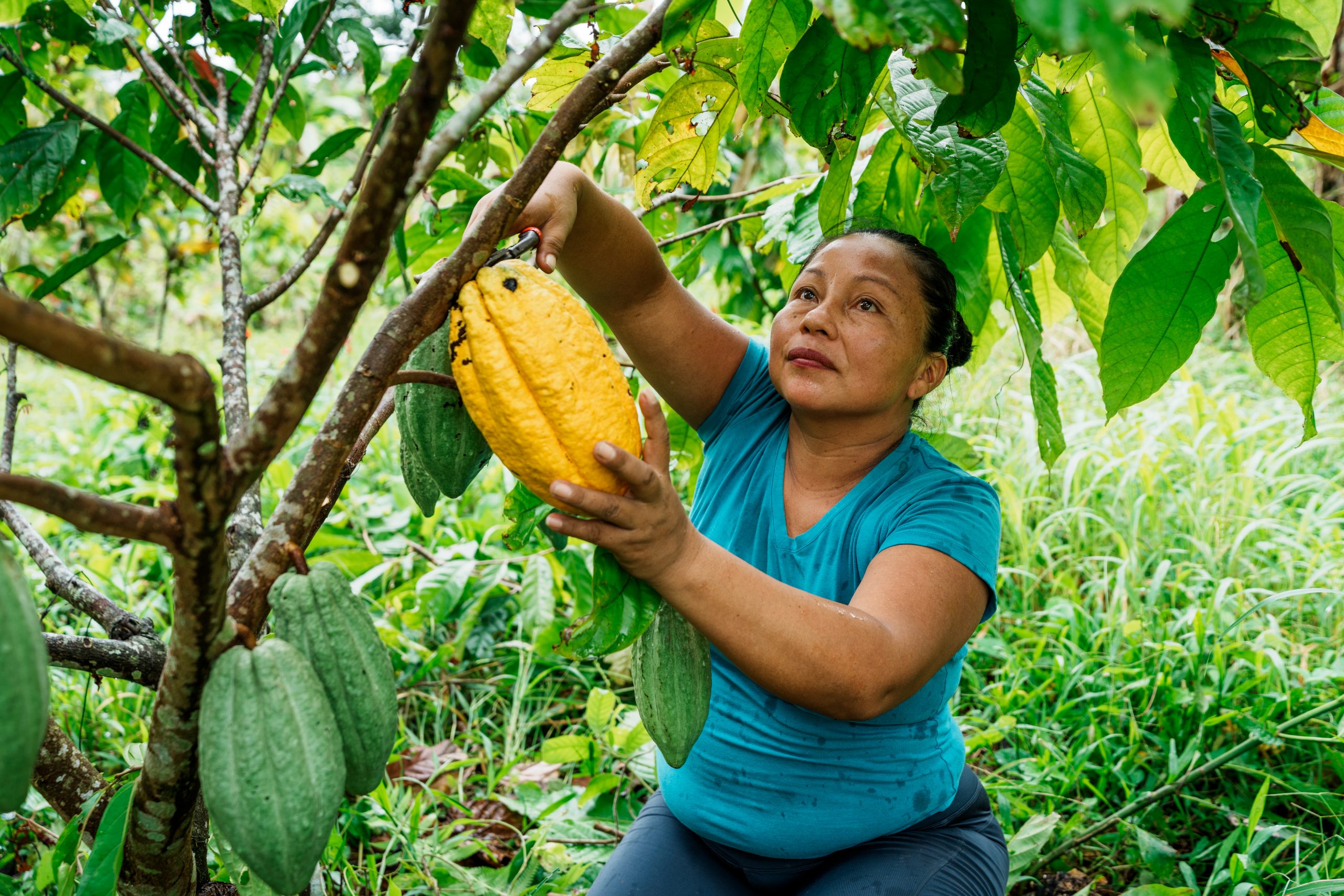
A clear example is vision care. Poor eyesight directly affects a farmer’s ability to plant, spray, harvest, and sort crops. Vision loss is extremely common, particularly among older farmers, and in many cases can be corrected with simple, low-cost glasses. Yet millions of farmers lack access to even this basic form of care.
For Agyekum Joseph, a cocoa farmer in Ghana, declining eyesight gradually made routine tasks more difficult. The challenge did not arrive as a sudden crisis, but as a slow reduction in pace and precision. Like many farmers, he adapted quietly, accepting reduced capacity as inevitable rather than treatable.
Through Elucid’s collaboration with RestoringVision, Agyekum received a pair of corrective glasses. The impact was immediate: daily work became easier again, productivity improved, and he regained the ability to read (an activity closely tied to confidence and independence). You can read more about Agyekum’s experience here.
The takeaway: communities with access to healthcare can plan for the future, rather than constantly reacting to emergencies.
What This Means for Supply Chains: A New Value Proposition
Embedding healthcare as a strategic component of supply chain planning is foundational – not optional.
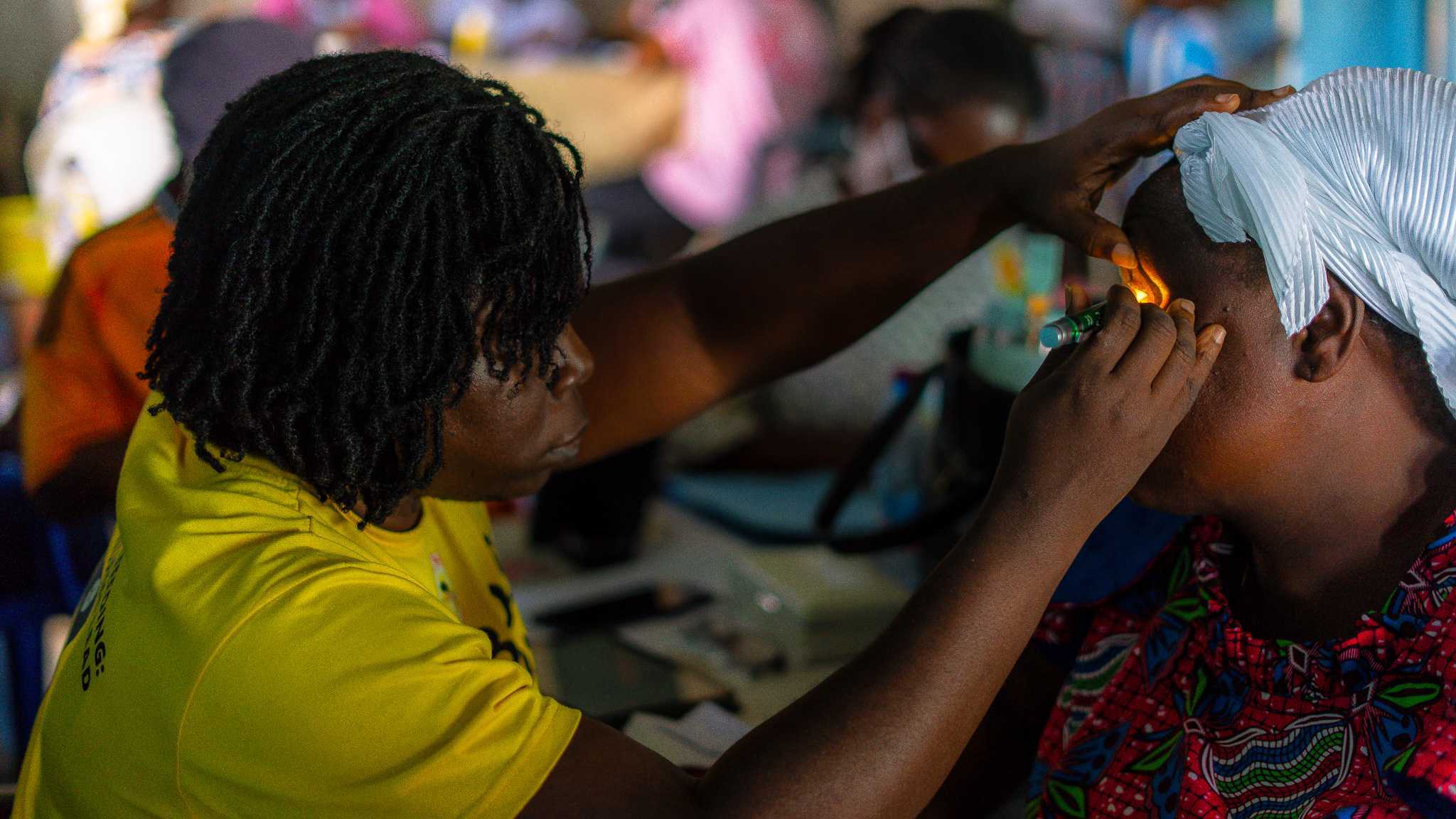
Healthy producers are more consistent and reliable suppliers. When household health risks are reduced, production becomes more predictable and resilience shifts from an aspirational goal to an operational reality. Companies that invest in health are not merely providing transactional support; they are building trust, loyalty, and long-term stability within their sourcing ecosystems.
For brands, buyers, and investors, this requires a shift in perspective: integrating health into sourcing risk assessments, supporting local healthcare providers, and treating health expenditure not as philanthropy, but as a strategic investment that actively reduces supply-chain risk.
Independent evaluations of our work show that healthcare programs improve quality of life and household health; and that these outcomes enable companies to scale operations more sustainably over time with us.
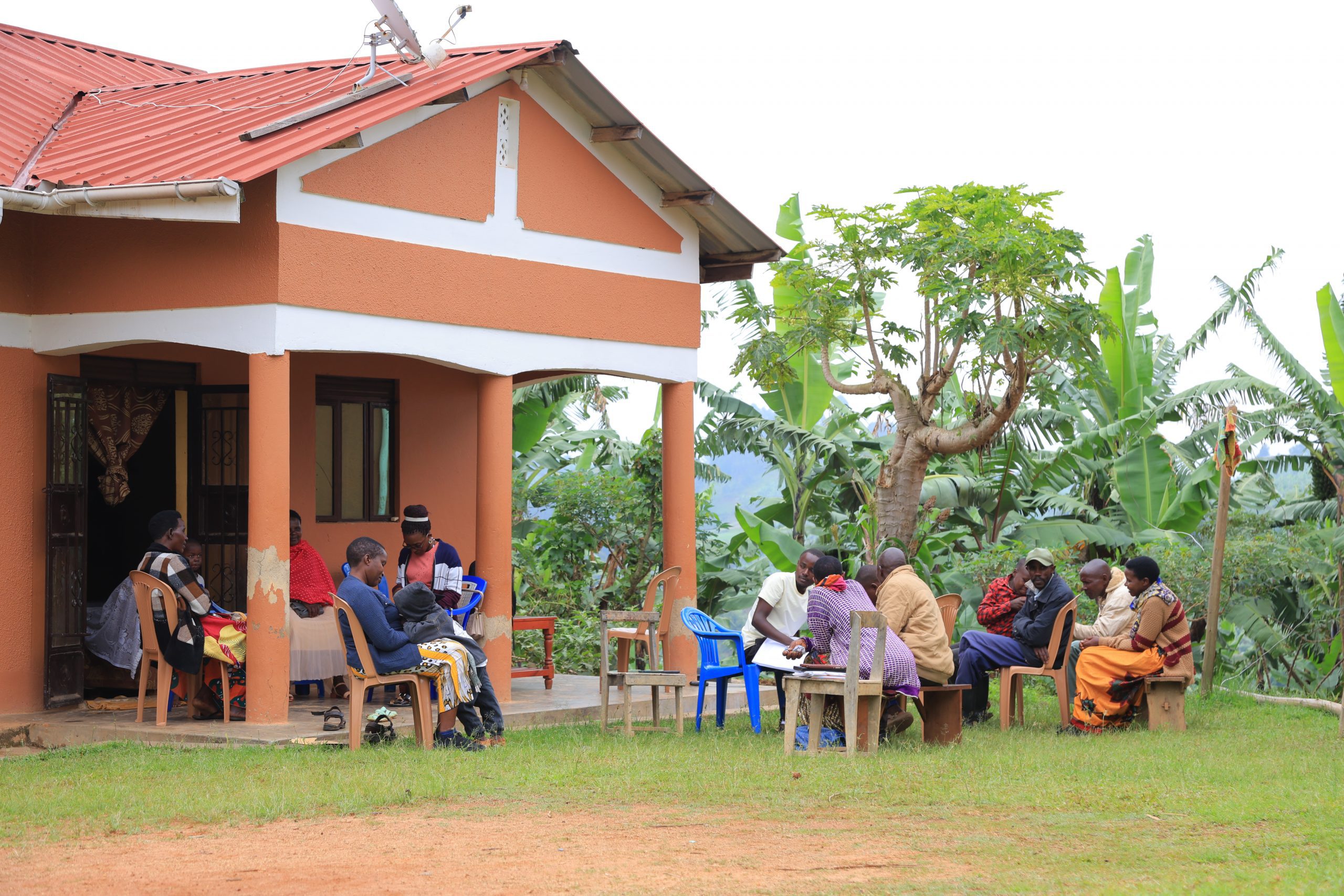
2026: Health is Infrastructure
In 2026, Elucid is advancing a clear position: health must be recognised as critical infrastructure within supply chains – just as essential as roads, storage, or finance.
When health is prioritized, everything else becomes more resilient: productivity, planning, and long-term sustainability. If we want to build ethical, future-ready supply chains, we must start by embedding health at their foundation.
Health belongs at the core.
Related content
-
 Access to affordable healthcare is one of the most important ways to break the cycle of poverty, and it can have a profound impact on reducing negative coping mechanisms, such as child labor, as
-
 We love sharing about our work: how we improve access to healthcare, cut down those out-of-pocket medical expenses, and help farming communities bounce back from health challenges. But have you ever wondered what it
-
 Lung health is often an overlooked aspect of general well-being, but for cocoa farming families in rural Ghana, it’s a matter of growing concern. Long days spent working in the fields and around open