
When Care Comes to the Community: How Elucid Works in Ecuador
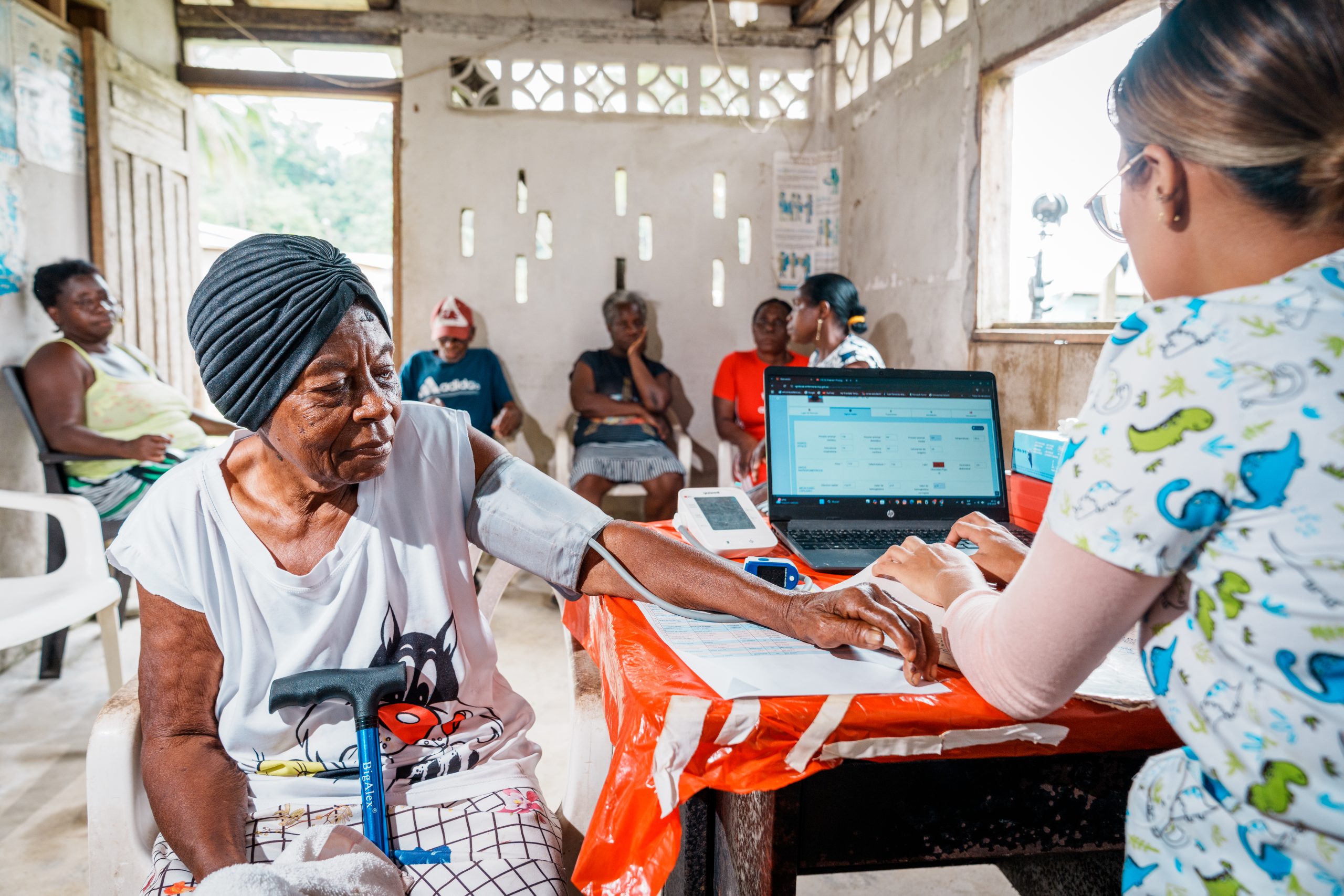
For many cacao-farming families in Ecuador, getting to a doctor is not always simple. Some communities are far from the nearest clinic. For other families, the cost of a consultation, tests or medication is the barrier.
Either way, care can get delayed.
This is the gap Elucid’s work in Ecuador aims to reduce.
How Elucid works in Ecuador
The approach starts from a simple idea: reduce the financial and practical barriers between people and the care they need. In practice, that means working through and alongside the healthcare resources already available locally, rather than building a parallel healthcare system. What that looks like can vary from one community to another.
In some areas, existing public health structures provide the strongest route to care. In others, private healthcare providers can help close specific access gaps more quickly, for example by providing consultations, diagnostics, medication or specialist services.
There is no single model applied everywhere. The local health system, available providers, geography and needs of the community all shape how the program works. As one healthcare provider working with the program put it:
“It has allowed people in the agricultural sector to access quality medical care.”
How the program works changes from place to place, but the goal does not: reduce the barriers between people and the care they need, and make sure that care can continue when the first visit is not enough.
In Ecuador, this work is made possible through Elucid’s partnership with Max Felchlin AG. Alongside local cooperatives and the cacao-farming communities they work with, Felchlin’s support helps bring care within reach.
Bringing care closer
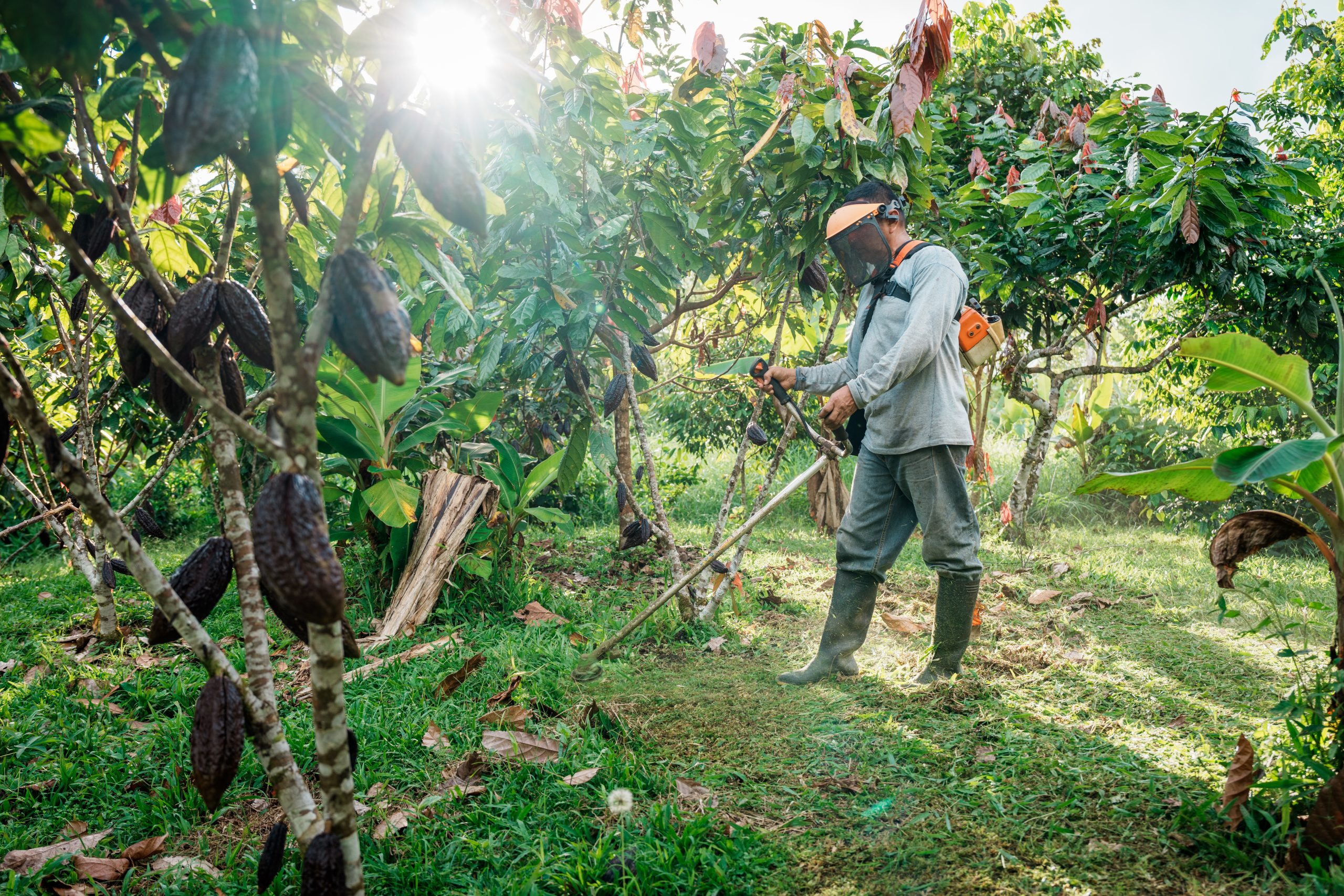
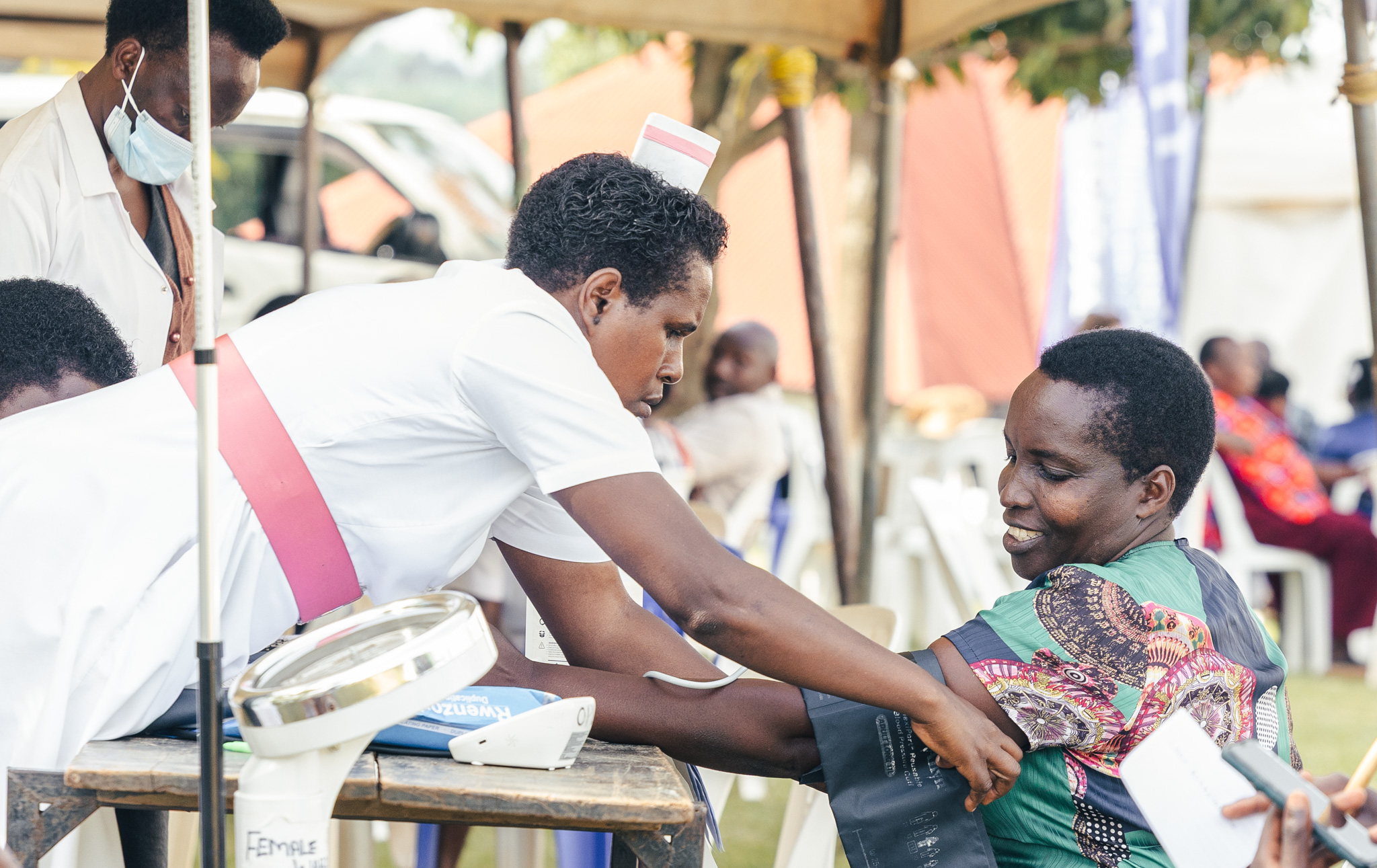
One of the clearest ways this plays out on the ground is through medical brigades or also called mobile clinics: scheduled outreach days where a small medical team travels to a community and sets up a temporary clinic right there, often using a space the community already gathers in, like a covered outdoor sports court.
It looks simple from the outside, a handful of doctors seeing patients for a day, but much more happens around it.
Before each brigade, the team identifies where care is most needed and coordinates the timing with communities and healthcare providers. It plans staffing, transport, medical supplies, budgets and the services that will be available. Just as importantly, the team prepares for what happens after the consultation: what to do when someone needs medication, laboratory tests, further examinations or specialist care. As a cooperative partner who works with the program described it:
“The medical brigades and support for farmers matter, since many families don’t have quick access to care.”
In one province, a brigade in the community of Colón Eloy brought general medicine, lab testing, and dental care together in a single day, reaching around 30 people from the area and nearby communities.
Care beyond the first visit
Sometimes a first consultation identifies an issue that cannot be resolved immediately.
That’s where the program’s role becomes less about a single appointment and more about making sure someone doesn’t fall through the cracks between one level of care and the next.
A woman in her early 60s visited her local public health center several times for persistent pain. She was examined and treated for the pain, but the cause was still unclear. When she didn’t get better, she contacted the program’s team, who referred her to a partner clinic for more detailed tests. The tests showed changes in her lungs that needed further study, so she was sent to a larger hospital for specialized care.
As Isaac Romero Cueva, Elucid’s LATAM Operations Manager, describes it, the goal isn’t to replace the public system, but to complement it: stepping in when there’s a gap between a first response and the next level of care someone needs.
In another case, a woman in her early 70s had been in strong pain for several days but put off seeking care because of the cost. Through the program’s coverage, she was able to see a doctor, who found she needed to be hospitalized right away. The program’s emergency fund helped pay for her medication during her stay.
It’s a reminder that the value of coverage isn’t just financial. It can mean the difference between continuing to postpone care and being able to take the next step. As one farmer enrolled in the program summed it up:
“The help provided matters, since as a farmer it is difficult to access good health service.”
Learning and adapting
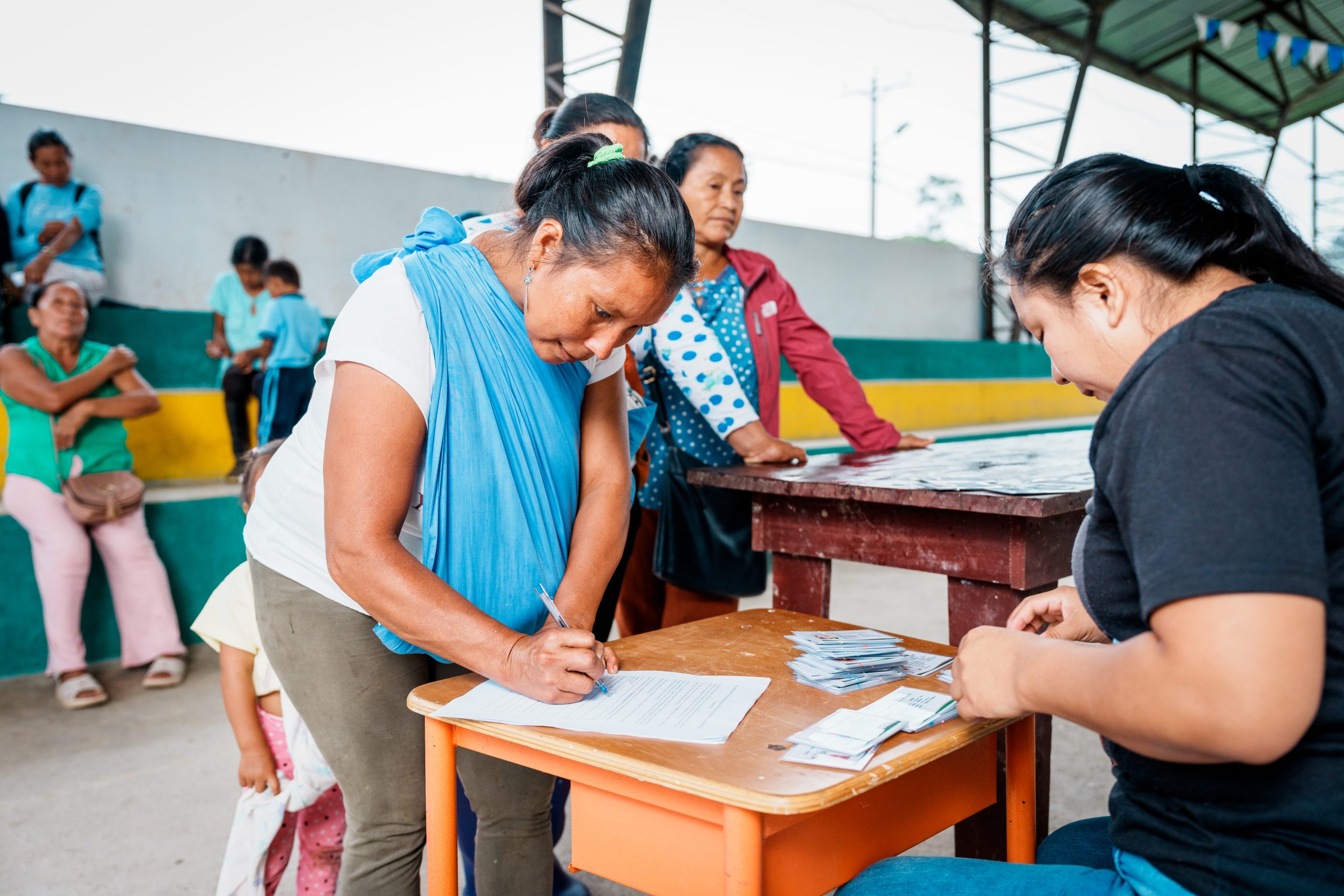
A Yanapari brigade in August this year drew more people than the team had planned for: around 48 in a single day, including people from the wider community who weren’t enrolled in the program but came looking for care.
Dental care had come up as a need among beneficiaries, so the team introduced it at a brigade in Tena in September, with a dentist alongside general medicine. In total, 39 people attended, and 15 of them received dental care. The day also included awareness activities about what the program covers, how to use the health funds and how to reach medical providers.
What the team sees at each brigade informs the next one. Since this year, it has been recording the diagnoses of people seen at brigades digitally across its programs in Latin America. This makes it easier to follow each person’s care and gives the team more precise information to assess results. The team is still refining the process.
Together, that information doesn’t just document a day. It shapes the next one.
More than a single visit
For Elucid’s team in Ecuador, a good day isn’t just about how many people were seen.
It’s also about what happens next. Did someone who needed medication get it? Did a patient complete the tests they were referred for? Did they reach specialist care when it was needed? Was there a way to follow up?
The setting may change from one community to another, as do the geography, healthcare infrastructure and providers available. The principles remain the same: reduce barriers to care, work with the healthcare resources already in place, use data to understand what people need, and make sure support does not end after the first consultation.
That, in the end, is what Elucid’s work in Ecuador is building toward: not a single day of care, but more reliable access to care people can continue to use when they need it.
Related content
-
 When a company invests in healthcare for its supply chain, that investment can reach far beyond the people it was built for. Here's how Elucid's Community Health Services model turns private investment into public-private
-
 Mary, a cocoa farmer in rural Ghana, was struggling to do the work that sustains her family. That changed when she received a simple pair of eyeglasses through our partnership with RestoringVision and Tony’s
-
 At Elucid, the work we do is rooted in working toward the SDGs. These goals were initially aimed to be completed by 2030, but progress is