
Rethinking Listening at Origin: Why Farmer Health Matters
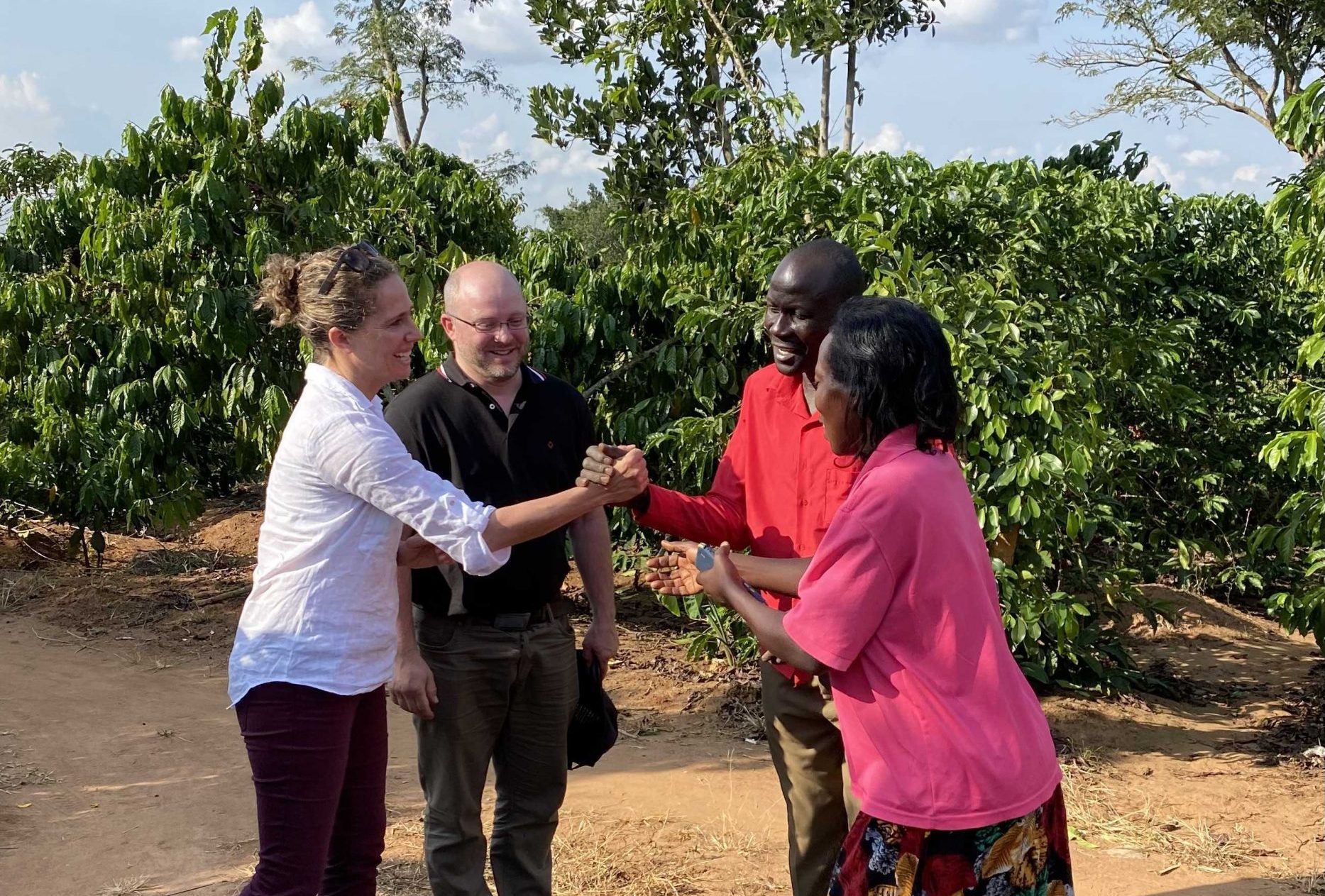
If you work in the coffee industry – whether as a trader, sustainability expert, roaster, buyer, or agribusiness partner – you are likely familiar with the growing pressures facing the sector. Climate variability, labour shortages, rising production costs, and migration away from coffee farming are increasingly affecting production and long-term supply stability.
Yet, despite these well-documented challenges, many sustainability initiatives still struggle to create lasting impact. Often, this is because conversations at origin are shaped around external agendas rather than farmers’ lived realities.
To dive a little deeper into this, we spoke with Jan Lühmann, a coffee consultant and our Topic Lead for Coffee. With decades of experience in the green coffee industry and sourcing regions around the world, Jan brings a practical perspective on what resilience in coffee supply chains actually looks like on the ground.
Visiting the Origin: Are we Listening Properly?
One of the key questions Jan raised during our conversation was directed toward those working across coffee supply chains: when visiting origin countries, are we truly listening to the real story?
Reflecting on his field experience, Jan explained that sometimes visits to coffee communities can become highly structured around the priorities of visitors — traders, buyers, NGOs, or sustainability teams — leaving little space for farmers to openly share their most pressing concerns. Time constraints, cultural dynamics, and predefined agendas can all shape what is discussed and, ultimately, what is overlooked.
Many sustainability initiatives fail not because farmers are unwilling to engage, but because the conversations themselves are shaped around external priorities. While it should be expressed that this is not a universal truth, it is important to note that it can be mitigated through culturally respectful listening, longer engagements, and co-design with farmers. Understanding these dynamics is central to building healthier, more resilient supply chains.
As Jan emphasized, when you really listen, you begin to understand the root causes behind many of the pressures affecting farming communities and supply chains alike.
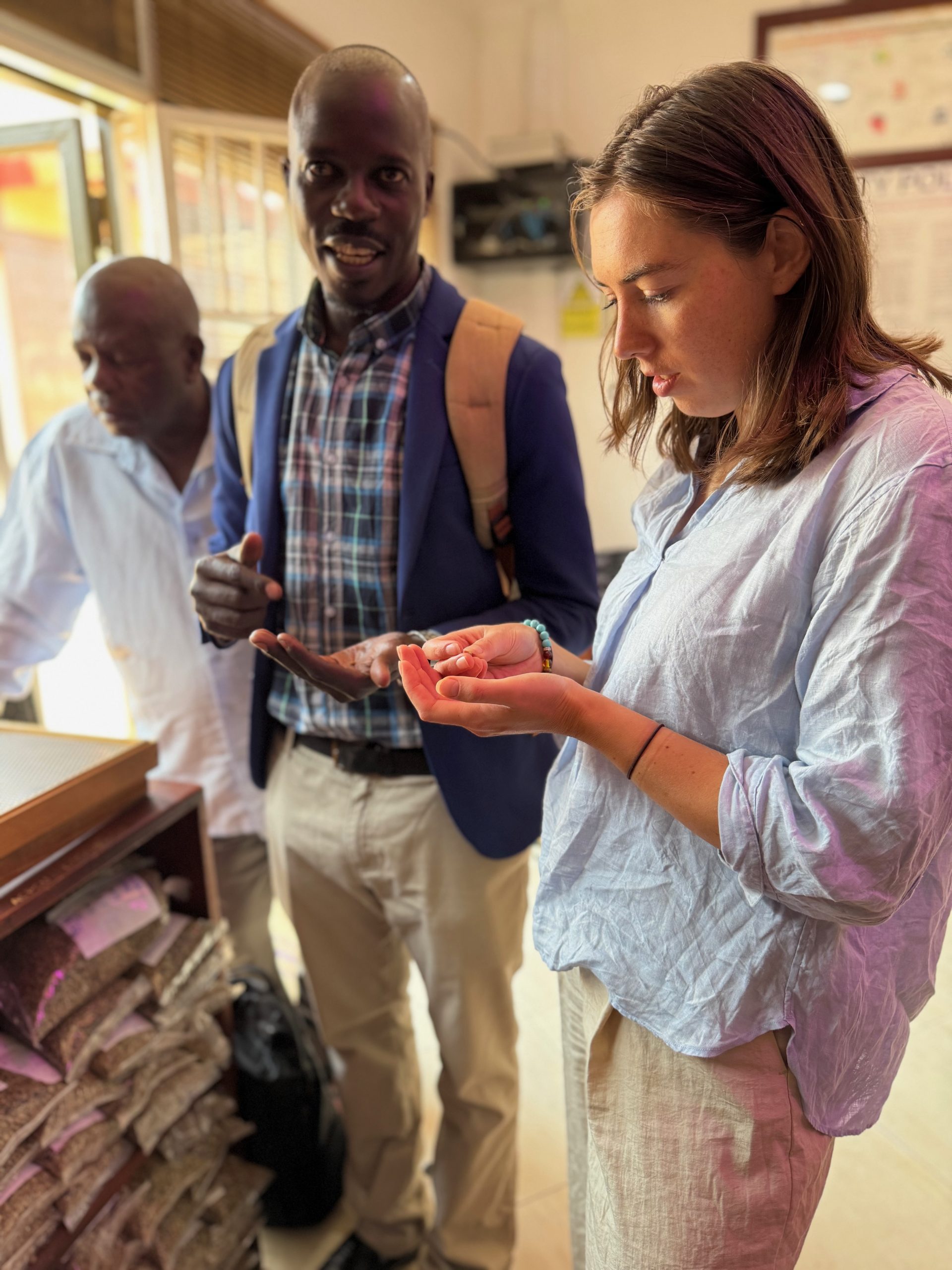
Health at Origin: An Overlooked Driver of Coffee Resilience
One issue that repeatedly emerges in conversations with farming communities, which is at the core of Jan´s work with us, is healthcare access.
Poor access to healthcare has direct repercussions along the supply chain: lost productive days, catastrophic health expenditures, untreated illness, and financial instability that can push households toward poverty and negative coping strategies, such as child labour.
But these challenges often remain overlooked because they are rarely framed as core supply chain issues.
For example, in Uganda, where out-of-pocket health expenses place significant financial pressure on farming households, especially on women, Elucid partnered with Ankole Coffee Producers Coffee Union (ACPCU) to help integrate healthcare access into the foundation of the supply chain itself. The program addresses healthcare barriers while responding directly to priorities raised by farming communities.
Health is still frequently treated as separate from sustainability within the coffee sector. Yet, as Jan reflected, this may simply be because the industry is not asking the right questions.
He recalled a coffee dinner attended with Elucid co-founder Samuel Knauss, where they briefly explained Elucid’s model to a coffee roaster. Once the pitch was over, the roaster was enthused; he had never previously considered the role of health within the coffee supply chain.
This isn’t unusual: when conversations focus only on certifications, productivity, or compliance metrics, essential realities — like healthcare access — can remain invisible, despite their direct influence on resilience and long-term supply stability.
Listening to farmers is how you build resilience across the whole chain – not just in the coffee sector, but across different agricultural crops and contexts.
If the coffee sector wants to navigate climate volatility, labour shortages, and increasing pressure on farming livelihoods, it must continue asking better questions — and turning those answers into locally grounded solutions.
In coffee, as in many agricultural sectors, health is not separate from sustainability. It is part of the infrastructure that allows communities, and supply chains, to endure.
Related content
-
 At a time when much of the global conversation is centered on political instability and shifting priorities, Côte d’Ivoire has boldly committed itself to the truth that health is a human
-
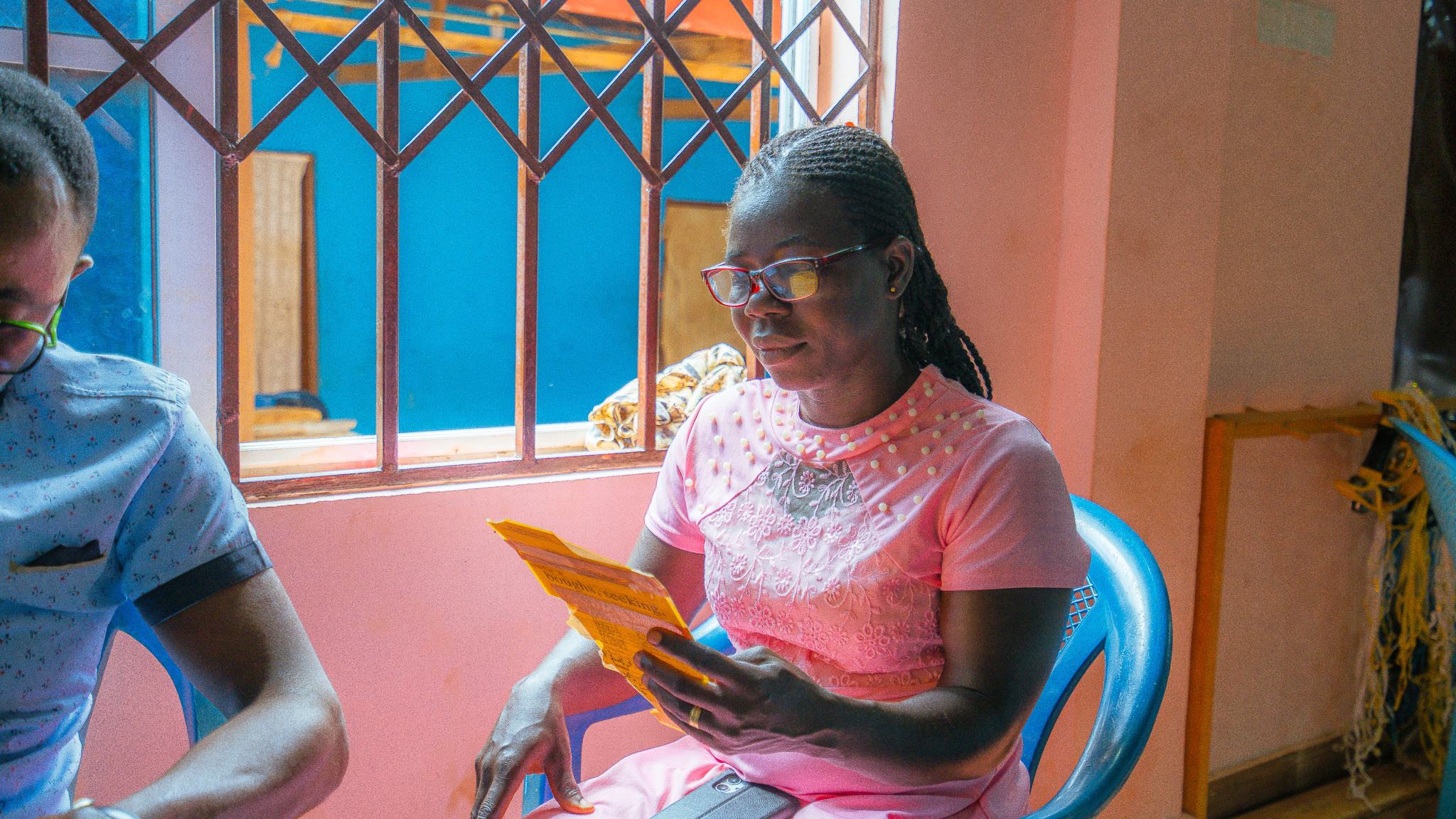 Mary, a cocoa farmer in rural Ghana, was struggling to do the work that sustains her family. That changed when she received a simple pair of eyeglasses through our partnership with RestoringVision and Tony’s
-
 Every year on April 7th, marking the anniversary of the founding of the World Health Organization in 1948, World Health Day brings global attention to a pressing health challenge that impacts people everywhere. It